
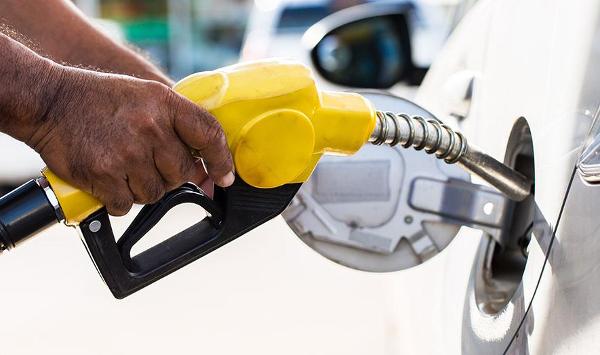
Motorists across Kenya are bracing for a possible spike in fuel prices, as the country’s energy regulator prepares to announce new rates against the backdrop of volatile global oil markets.
The Energy and Petroleum Regulatory Authority is expected to release its latest pricing today, with industry players warning that sharp increases may be on the way.
Early estimates from oil marketers suggest petrol prices could rise by as much as Sh37 per litre, while diesel may climb by up to Sh70. If confirmed, it would mark one of the steepest adjustments in recent months.
Still, there is room for uncertainty.
Officials say the government could step in through the Fuel Stabilisation Fund to cushion consumers, a move that has been used in the past to soften the impact of global price swings.
For now, many Kenyans are watching and waiting—and in some cases, stocking up.
At several filling stations in Nairobi, motorists reported longer queues on Tuesday, driven by fears of an imminent increase. “You don’t want to be caught off guard,” said a taxi driver in the city centre. “If the price goes up that much, it affects everything.”
The current pricing cycle has held steady for nearly two months, despite growing pressure from international markets. Super petrol, diesel and kerosene currently retail at Sh178.28, Sh166.54 and Sh152.78 per litre, respectively.
That stability may be difficult to maintain.
The recent surge in oil prices has been tied to escalating tensions in the Middle East, particularly around the Strait of Hormuz, a narrow shipping lane through which a significant share of the world’s oil passes.
Prices spiked after Donald Trump announced a naval blockade targeting Iranian-linked vessels, a move that followed earlier strikes involving the United States, Israel and Iran.
Brent crude, the global benchmark, briefly rose above $100 a barrel before easing slightly in early trading on Tuesday. Analysts say even short-lived disruptions in the region can have immediate effects on import-dependent countries such as Kenya.
Energy Cabinet Secretary Opiyo Wandayi acknowledged the pressure during a parliamentary appearance on Monday.
“Fuel prices are up worldwide,” he said. “I don’t know if EPRA will increase or not, but the truth of the matter is prices are high.”
He added that Kenya’s pump prices are typically higher than those of its neighbours due to taxation. “Our pump prices are slightly higher than the rest of the neighbouring countries because their taxes on fuel are lower than ours,” he said.
The government is also facing scrutiny over broader issues in the energy sector, including claims about fuel quality—allegations the minister has denied.
Beyond Kenya, the situation remains fluid.
Iran has warned it may tighten control over shipping routes, while China has called for restraint, noting the importance of keeping trade routes open. At the same time, there are tentative signs of diplomacy, with Washington and Tehran reportedly exploring possible talks.
For Kenyan consumers, however, the immediate concern is closer to home.
Any increase in fuel prices is likely to ripple through the economy, pushing up transport costs, food prices and the overall cost of living.
Whether the government intervenes—or allows the full impact of global prices to be felt—will become clear when the new rates are announced.
 Facebook
 Twitter / X
 WhatsApp
 LinkedIn
 Telegram
 Reddit