
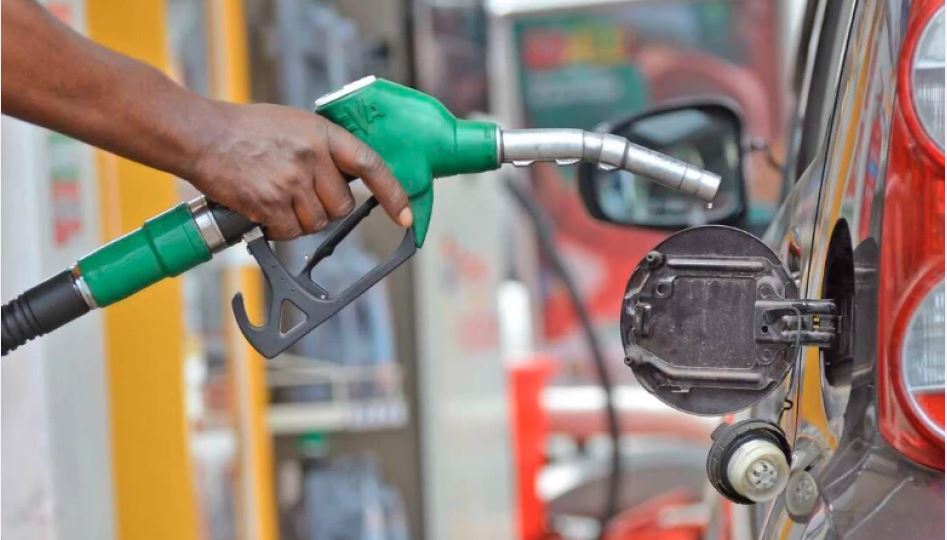
Kenya’s fuel prices have climbed to the highest levels ever recorded, deepening pressure on households, transport operators and manufacturers as global oil markets reel from escalating conflict in the Middle East.
Under the latest review by the Energy and Petroleum Regulatory Authority, a litre of super petrol in Nairobi will retail at Sh214.25 while diesel rises sharply to Sh242.92. Kerosene remains unchanged at Sh152.78. In Mombasa, petrol will retail at Sh211.09 and diesel at Sh239.64.
EPRA said petrol prices rose by Sh16.65 per litre while diesel jumped by Sh46.29 per litre during the review period. The regulator linked the increase to higher global petroleum costs.

Meta Description: Kenya has recorded the highest fuel prices in its history after EPRA raised petrol and diesel prices sharply amid escalating tensions involving Iran, disruptions in the Strait of Hormuz and rising global oil costs.
Keywords: Kenya fuel prices, EPRA fuel review, petrol prices Kenya, diesel prices Kenya, Iran war oil prices, Strait of Hormuz crisis, Kenya inflation, global oil markets, Kenya diesel costs, fuel prices May 2026, East Africa fuel crisis, high sulphur fuel Kenya, Brent crude oil, Kenya economy, transport costs Kenya, fuel imports Kenya
The new prices cap months of relentless increases that have pushed fuel costs above the Sh200 mark for the first time in Kenya’s history. Just a month ago, Nairobi motorists were paying Sh206.97 for petrol and Sh206.84 for diesel after another steep adjustment.
The sharp rise reflects growing instability in the global oil market following the war involving Iran and the disruption of shipping through the Strait of Hormuz, one of the world’s most critical oil transit routes. Around a fifth of globally traded oil normally passes through the narrow channel linking the Persian Gulf to international markets.
Oil markets have become increasingly volatile as Iran tightens control over vessel movement through the strait. International shipping insurers have raised premiums while traders factor in the risk of supply disruptions. Brent crude prices have remained above $100 a barrel amid fears of prolonged shortages.
For Kenya, which imports all its refined petroleum products, the impact has been immediate. Higher crude prices, elevated freight charges and rising marine insurance costs have pushed up the landed cost of fuel cargoes entering Mombasa.
Diesel has taken the hardest hit because of tighter global supply and stronger industrial demand. The fuel powers trucks, buses, construction equipment, factories and backup generators across East Africa. A sustained rise in diesel prices is likely to feed directly into transport costs and food inflation in coming weeks.
The crisis also exposes Kenya’s long standing vulnerability to imported fuel shocks. The country depends heavily on low grade diesel imports with relatively high sulphur content compared to cleaner fuels used in Europe and parts of Asia. Kenya and several East African countries have in recent years struggled to fully transition to ultra low sulphur fuels because cleaner products are more expensive and require upgraded supply systems.
Energy economists say the dependence on dirtier and cheaper fuel blends leaves Kenya exposed during periods of global supply stress because refiners prioritise premium low sulphur markets when supplies tighten. That narrows availability for African importers and pushes prices even higher.
The government has previously relied on subsidies and tax reductions to cushion consumers. Last month, Treasury temporarily reduced VAT on petroleum products after global prices surged.
But the latest increase suggests the fiscal room for intervention is narrowing as global energy markets remain under strain.
The broader economic risks are significant. Kenya’s inflation rate could rise again after months of relative stability. Manufacturers face higher production costs while public transport fares are expected to increase almost immediately. Agriculture may also suffer because diesel powers irrigation, transport and food distribution chains.
For now, the outlook remains tied to developments in the Gulf. Any escalation around the Strait of Hormuz could push international oil prices even higher and trigger another round of increases in Kenya’s next fuel review.
You may also like
Category: Business · Related Topic: Kenya Economy
Related Video: What Dangote’s proposed Lamu oil refinery could mean for East Africa
Related Explainer: Kenya G-to-G Oil Deal Explained: How It Works, Who Supplies the Fuel and Why It Is Controversial
 Facebook
 Twitter / X
 WhatsApp
 LinkedIn
 Telegram
 Reddit