
By Rolex Wasonga
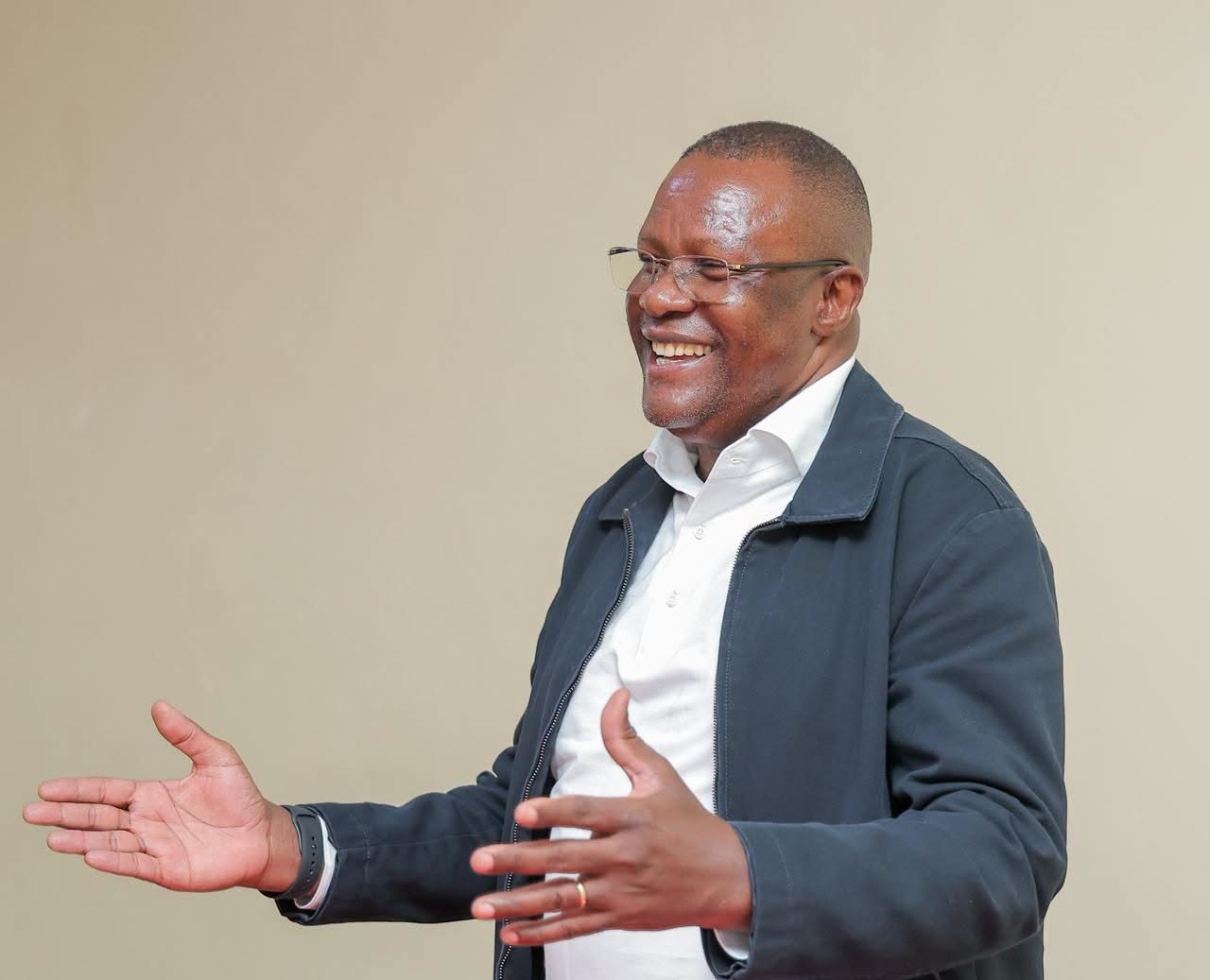
In every generation, societies search for leaders who represent more than political ambition — leaders who combine experience, competence, vision and the ability to transform ideas into action. As Kenya continues to reflect on the kind of leadership it needs for the future, one name that continues to attract attention is Hon. Eliud Owalo.
In a political environment where public debate is often dominated by promises, slogans and short-term calculations, Owalo’s journey stands out because it has been shaped by a combination of professional experience, strategic thinking and public service. His career has not been built solely around politics; it has also been anchored in management, economic strategy, consulting and institutional leadership.
For many Kenyans, leadership is increasingly being measured not only by popularity but by the ability to understand problems, design solutions and deliver measurable outcomes. This is where Owalo’s record has attracted interest.
Before entering government, Owalo built a reputation in management consultancy and strategy development, working with institutions on issues related to governance, organizational performance and economic planning. His professional background shaped a leadership approach focused on systems, efficiency and results.
When he was appointed Cabinet Secretary for Information, Communication and Digital Economy in 2022, he took charge of a ministry at the centre of Kenya’s digital transformation agenda. The ministry plays a critical role in expanding digital access, supporting innovation, strengthening ICT infrastructure and positioning technology as an engine of economic growth.
Beyond the title, what many observers noted was his emphasis on the role of technology in solving everyday challenges facing citizens. In a country with a youthful population, rising unemployment and a growing digital economy, the ability to connect innovation with opportunity remains one of the biggest leadership tests.
Owalo’s subsequent appointment as Deputy Chief of Staff in charge of Performance and Delivery Management placed him at the centre of government efforts to improve implementation, accountability and monitoring of public programmes. His responsibilities included overseeing performance management systems and supporting the delivery of government priorities.
This experience exposed him to one of Kenya’s biggest governance challenges: the gap between policy promises and actual implementation. Many leaders can articulate visions, but fewer develop the systems required to turn those visions into reality.
What makes Owalo’s leadership journey interesting is his ability to engage both political and economic conversations. Kenya’s future requires leaders who understand that development is not only about infrastructure or government projects; it is about creating opportunities, strengthening businesses, empowering young people and ensuring communities participate in economic growth.
A leader must understand the struggles of ordinary citizens — from unemployment and the cost of living to access to education, healthcare and enterprise opportunities. Owalo has often positioned himself around the idea of inclusive development and expanding opportunities for communities that feel left behind.
One of his notable areas of public engagement has been his focus on the economic potential of regions that have historically struggled to attract investment. During discussions around regional development, he has emphasized the need for moving beyond political conversations toward practical economic transformation through investment, infrastructure and job creation.
Another dimension of Owalo’s public profile is his involvement in sports, particularly football. His association with Gor Mahia reflects an understanding that sports is more than entertainment. Across Kenya, sports represents opportunity, identity and economic potential.
Football clubs are not only about competition; they are platforms for youth talent development, employment opportunities, business growth and community pride. With proper leadership and investment, sports can become a major contributor to Kenya’s creative economy and social development.
At a time when Kenyan politics often becomes defined by divisions, identity and competition, the country needs leaders who can build bridges and create conversations across different sectors of society. Development requires cooperation, partnerships and the ability to bring people together around shared goals.
As Kenya approaches another important political moment, questions about leadership and national direction will continue to dominate public discussion. Ultimately, voters will decide who they trust with the country’s future. However, it is important for society to recognize and examine leaders who demonstrate preparation, experience and a record of public engagement.
Owalo represents a generation of leaders whose careers have combined professional expertise with political participation. He has experience in government, knowledge of economic systems and exposure to national policy conversations.
The qualities that many people look for in national leadership include competence, vision, integrity, humility and the ability to inspire confidence. Supporters of Owalo argue that his background and public service record demonstrate many of these qualities.
The responsibility of citizens is not simply to follow personalities but to evaluate leadership based on ideas, performance and the ability to create a better future.
Too often, communities wait until election seasons to begin conversations about leadership. Yet meaningful leadership development requires identifying, encouraging and challenging capable individuals long before political contests begin.
Kenya’s future will be shaped by leaders who can think beyond the present, understand the changing global environment and create opportunities for the next generation.
From where I stand, Hon. Eliud Owalo remains a leader worth watching. His journey reflects the importance of preparation, professional experience and a commitment to public service.
However, beyond individual leaders, the bigger question remains: what kind of leadership do Kenyans want to build for the future?
The answer lies in supporting leaders who unite communities, encourage innovation, create opportunities and place development at the centre of national conversations.
Leadership is not only about occupying office. It is about responsibility, vision and service.
That is the standard by which every leader must ultimately be judged.
Hon. Rolex Wasonga FMVA®, CBCA®, CMSA®, FPWMP®, CPA, MBA
MP Awendo 2027