
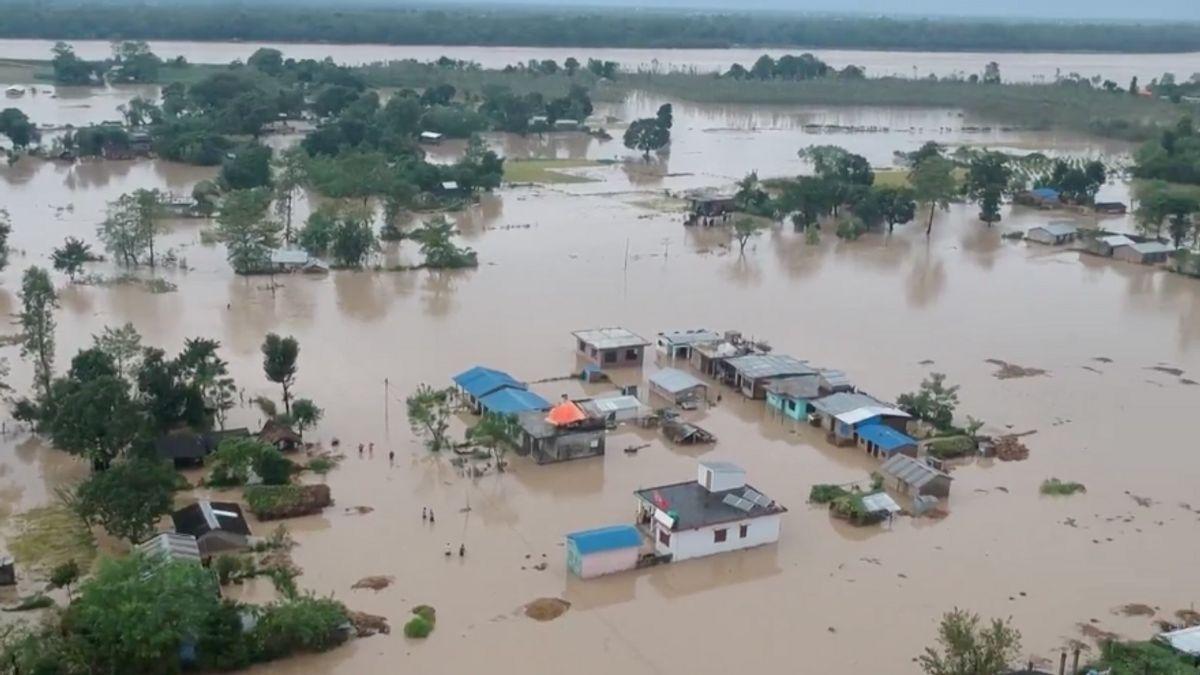
Authorities in Nepal and China have warned of a fresh flood threat after a new lake formed upstream of the Bhote Koshi River, raising fears that another surge could hit communities already devastated by this week's catastrophic flooding.
The warning comes as rescue teams continue searching for hundreds of people missing after a glacier collapse triggered a torrent of water, ice, rock and debris along the Nepal-Tibet border.
The newly formed lake is being held back by debris where the river has been blocked near the border.
Chinese authorities estimate that about 2 million cubic metres of water had accumulated by Thursday morning. A further 3 million cubic metres could flow into the lake over the next three days, increasing the risk that the natural barrier could fail.

If the barrier gives way, a sudden release of water could travel downstream through the Bhote Koshi River system, threatening settlements and infrastructure that have already suffered extensive damage.
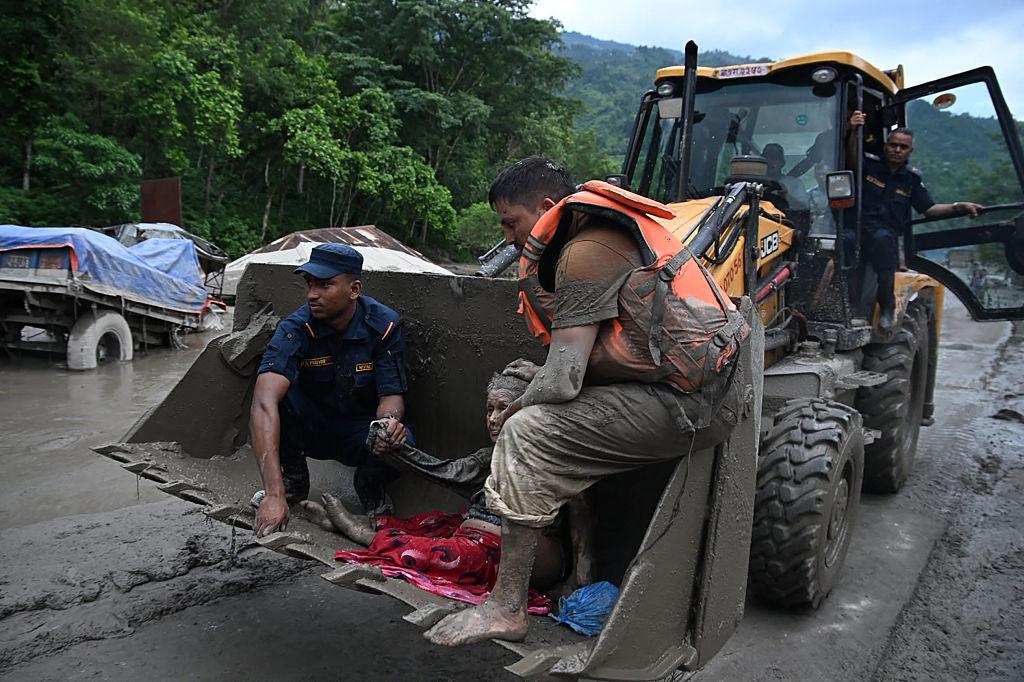
Nepal's authorities have urged people in vulnerable areas to move to safer ground, while some rescue teams have also been forced to relocate because of the continuing danger.
The potential new flood adds another complication to an already enormous rescue operation.
The earlier disaster killed at least 360 people and left hundreds more missing, according to the latest reports. Roads, bridges and other infrastructure have been destroyed, making access to some affected areas extremely difficult.
The original flood was initially thought by some officials to have been linked to an earthquake. Scientists have since determined that the seismic signal was generated by the collapse of glacial rock and ice, which sent a huge debris flow into the river system.
The latest warning highlights a particular danger in the Himalayas: natural barriers created by landslides or collapsing glaciers can temporarily hold back enormous quantities of water before failing suddenly.
China has warned that the latest lake could see peak inflow around 1 September, meaning the threat could persist for several days even as rescue operations continue.
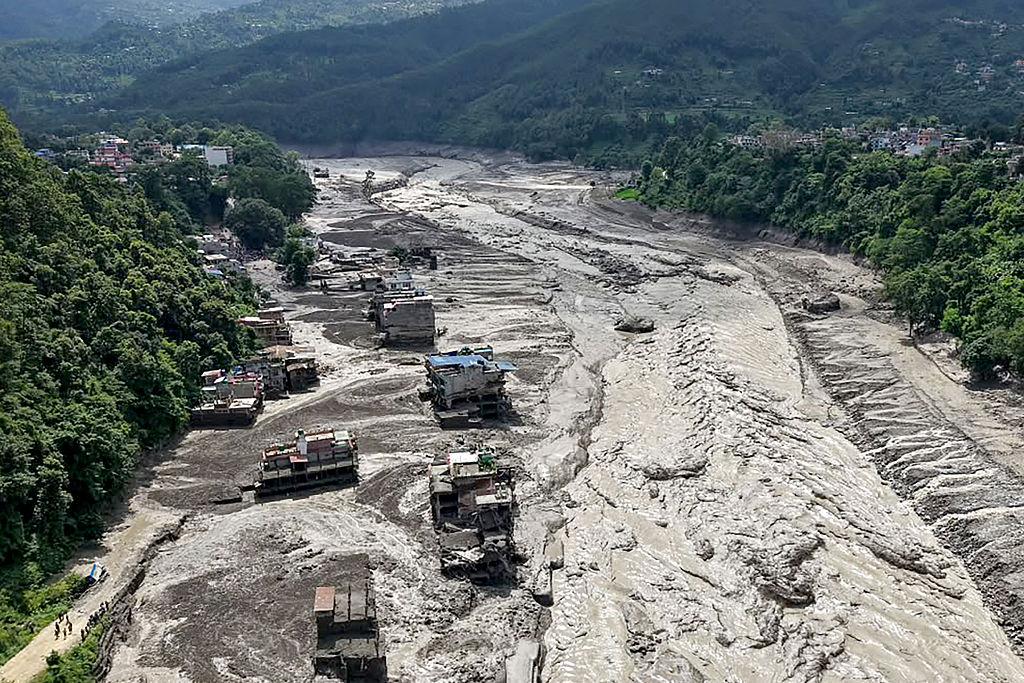
For communities along the Bhote Koshi, the immediate concern is therefore no longer only recovering from the first flood.
They are also watching the mountains upstream, where a growing body of water is being held back by debris.
Officials are monitoring the lake closely as they assess whether the barrier can withstand the increasing pressure.
The situation remains fluid, with authorities warning residents and rescuers to remain alert as water levels rise and further rainfall could increase the risk of another surge.
Related Stories
- Nepal: A Country Shaped by Mountains, Monsoons and Repeated Flood Disasters
- Nepal Flood Death Toll Surpasses 350 as Rising Lake Sparks Fresh Fears
- ‘Saved by a mango tree’: Nepali labourer survives devastating flash flood
Category: International
Related Explainer: Fact Check: Did elephants save people during Nepal’s floods?
 Facebook
 Twitter / X
 WhatsApp
 LinkedIn
 Telegram
 Reddit