
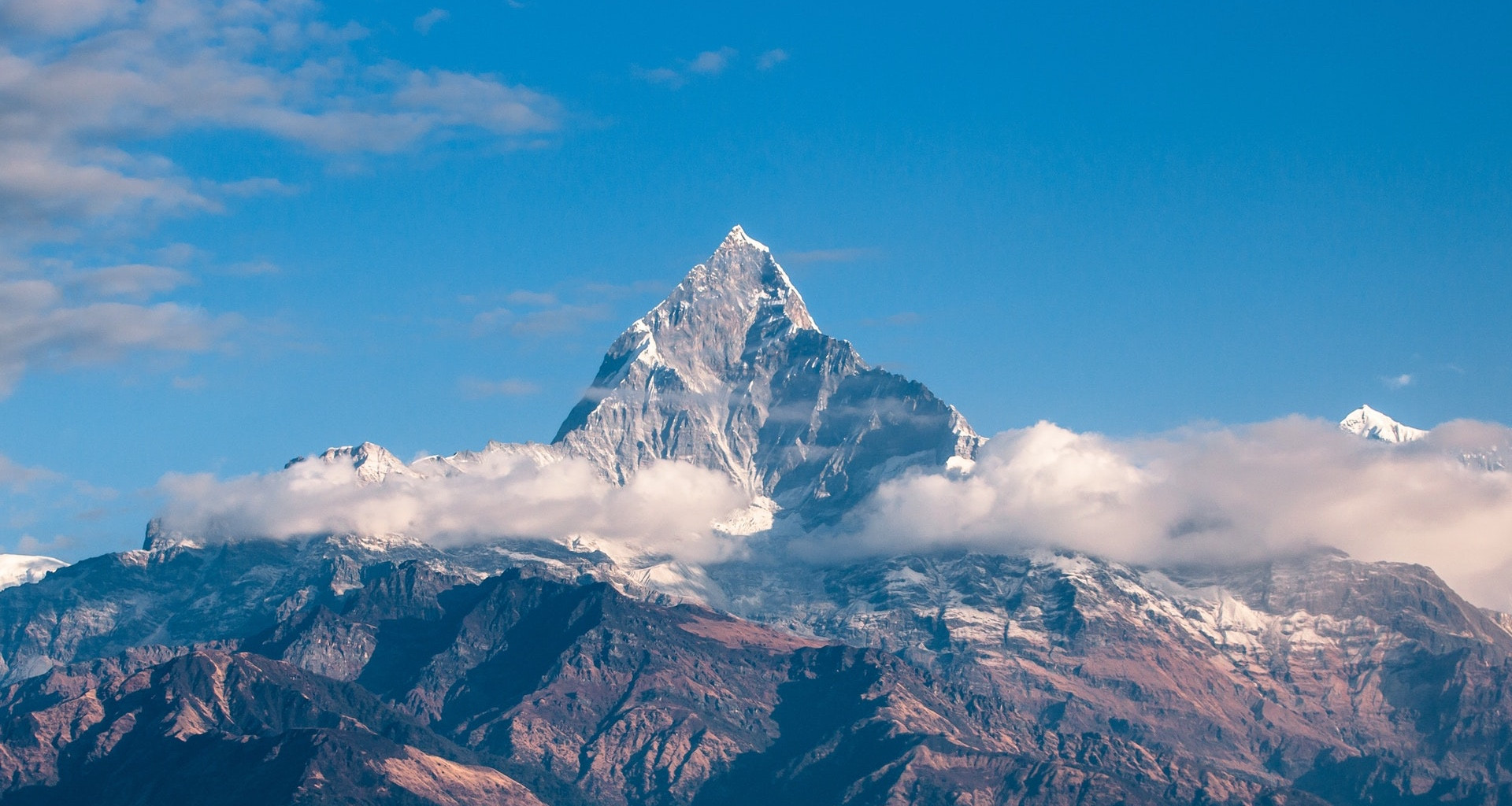
Nepal is a small, mountainous country in South Asia, but its geography gives it an outsized exposure to natural disasters. From the high Himalayas to the low-lying Terai plains, communities face a mix of floods, landslides, glacial lake outbursts, earthquakes and extreme rainfall.
The country has a population of about 29.6 million, according to the World Bank’s latest available figures.
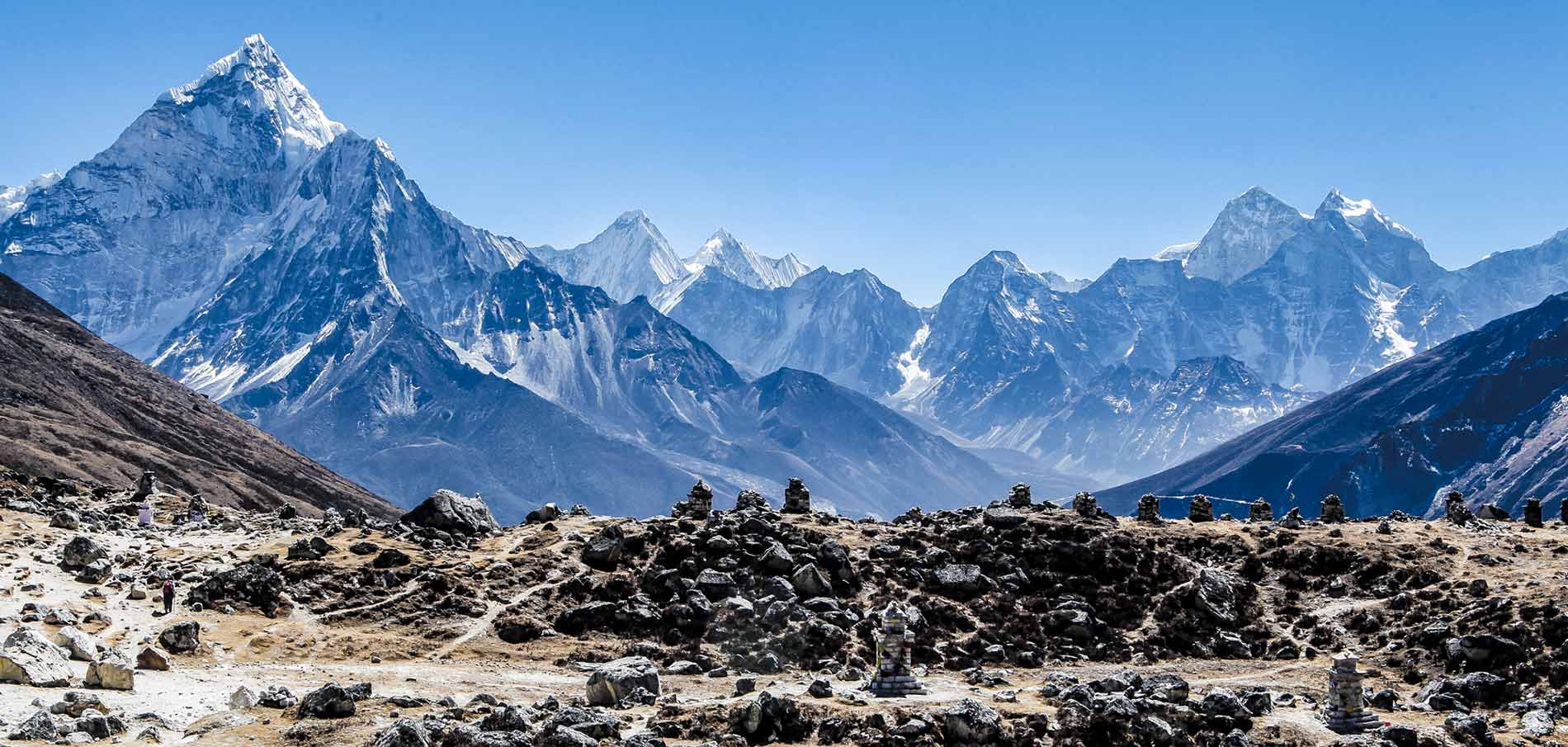
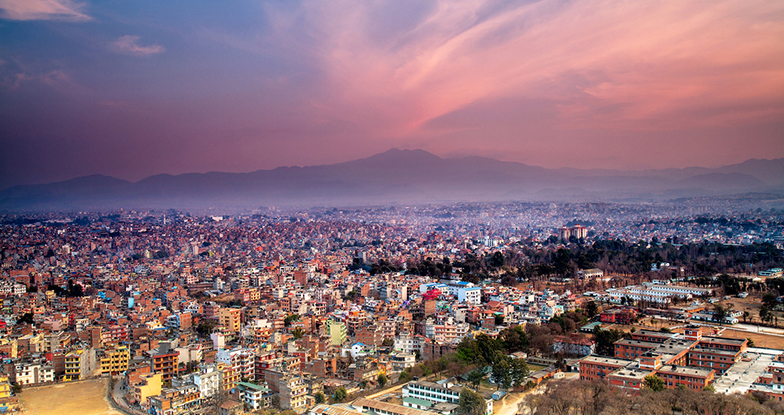
Its capital, Kathmandu, lies in a valley surrounded by mountains. Nepal borders China to the north and India to the south, east and west. The country is home to Mount Everest and much of the Himalayan mountain range.
Why Nepal is so vulnerable to floods
Nepal's geography is central to its flood risk.

The country rises sharply from the low-lying Terai plains to some of the world's highest mountains. Numerous rivers flow southwards from the Himalayas through steep valleys before reaching the plains.
During the June-to-September monsoon, intense rainfall can rapidly increase river levels. Flash floods can also occur when heavy rain falls over a short period, while landslides can block rivers and then release huge volumes of water when temporary dams collapse.
The World Bank identifies floods and landslides as major hazards in Nepal and warns that climate-related changes in extreme rainfall are increasing flood risks.
There is another growing threat in the mountains: glacial lake outburst floods (GLOFs). These occur when water stored behind natural ice or rock barriers is suddenly released. Nepal has more than 2,000 glacial lakes, although only some pose significant downstream risks.
Nepal's long history of devastating floods
Flooding is not new to Nepal. The country has experienced major disasters for decades.
1993: One of Nepal's deadliest flood disasters
The floods and landslides of July 1993 remain among the country's worst recorded disasters. Exceptionally heavy rainfall triggered widespread flooding and landslides across central Nepal.
More than 1,300 people were reported dead or missing in commonly cited records.
The disaster demonstrated how quickly heavy monsoon rainfall can become deadly when it interacts with Nepal's steep terrain and river systems.
1985: Dig Tsho glacial lake outburst
In August 1985, a glacial lake outburst from Dig Tsho in the Everest region sent a destructive surge downstream.
The flood destroyed infrastructure, including part of the nearly completed Namche hydropower project, and damaged bridges and roads.
The event became an important warning about the risks posed by rapidly changing Himalayan glaciers. The World Bank lists the 1985 Dig Tsho event among Nepal's significant historical GLOF disasters.
2008: The Koshi disaster
In August 2008, the Koshi River breached its embankment near Kusaha in eastern Nepal.
The resulting flooding displaced tens of thousands of people in Nepal and also caused severe impacts downstream in India's Bihar state.
The disaster showed that flooding in Nepal is not confined to one country. Rivers crossing the Nepal-India border can turn a disaster into a regional crisis.
2014: Jure landslide and river blockage
In August 2014, a huge landslide at Jure in Sindhupalchok blocked the Sunkoshi River.
The resulting landslide-dam flood killed about 156 people and severed the Araniko Highway, a major transport link between Nepal and China.
It was another example of how a landslide can trigger a secondary flood disaster.
2017: Massive Terai floods
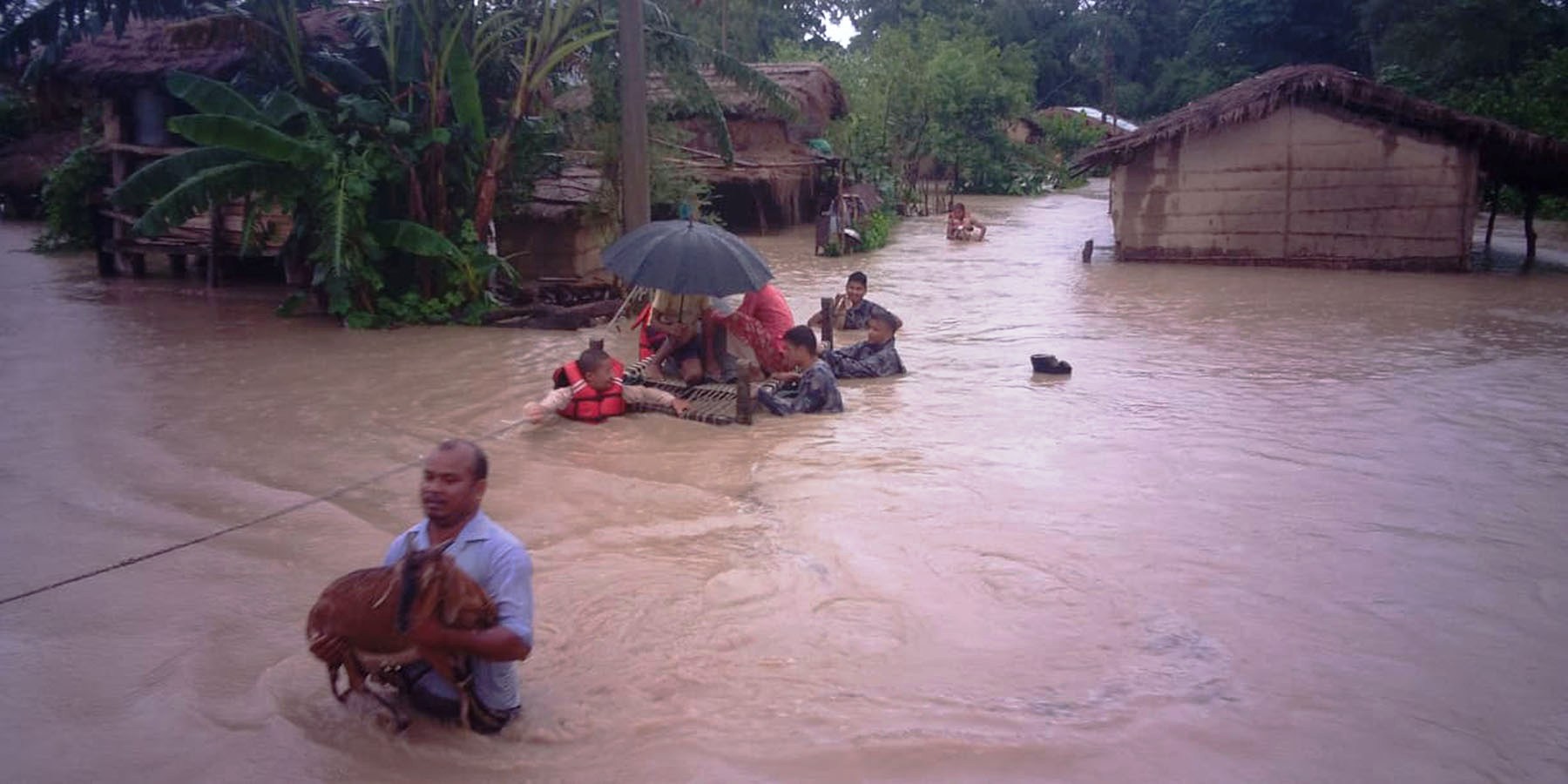
The August 2017 floods were among Nepal's most widespread recent disasters.
Continuous rainfall between August 11 and 14 affected 35 of Nepal's 77 districts. The UN reported that about 1.7 million people were affected, with hundreds of thousands displaced.
Parts of the Terai were particularly badly hit, with large areas inundated.
The disaster was driven by intense monsoon rainfall, but exposure was worsened by factors including settlements, drainage and infrastructure in vulnerable areas.
2021: Melamchi and Karnali floods
Nepal again suffered major flooding in 2021.
The Melamchi River in Sindhupalchok caused severe destruction in June, while later floods affected other parts of the country. In October, flooding in the Karnali basin killed more than 100 people.
The events showed that Nepal faces several different types of flood risk, from sudden mountain flash floods to major river flooding.
2024: Kathmandu Valley and eastern Nepal
Nepal experienced another major flood and landslide disaster in September 2024 after exceptionally heavy rainfall.
The Kathmandu Valley and several eastern districts were badly affected. Roads and bridges were damaged, homes were inundated and landslides cut transport routes.
UN-linked records put the death toll from the September 2024 rains at 249, with hundreds injured or missing.
The growing Himalayan climate risk
Nepal's flood story is increasingly connected to climate change.
The Himalayas are warming, while glaciers are retreating and high-altitude landscapes are becoming less stable. Scientists warn that this can increase the risk of cascading disasters involving glacier melt, landslides, avalanches and sudden floods.
This does not mean every individual flood is caused by climate change. Floods have always occurred in Nepal. But a warmer climate can alter rainfall patterns, accelerate glacier loss and increase the hazards faced by communities living downstream.
The World Bank has identified accelerated glacial melting and GLOFs as growing risks for Nepal.
The 2026 flash flood: a new chapter
The latest disaster has brought these risks sharply into focus.
On August 26, 2026, a catastrophic flash flood struck areas around the Nepal-China border after what investigators identified as a glacier collapse and avalanche of ice and rock that sent a massive surge through the river system. The flood destroyed roads, bridges, buildings and other infrastructure in its path.
Initial reports raised the possibility that an earthquake had triggered the event. Subsequent analysis indicated that the seismic signal was associated with the glacier collapse rather than a conventional tectonic earthquake.
By August 27, reports put the combined death toll in Nepal and Tibet at more than 350, with more than 1,300 people still missing. The numbers remain subject to change as rescue teams reach isolated areas and authorities reconcile reports from both sides of the border.
The disaster has also highlighted Nepal's particular vulnerability: settlements and infrastructure are often concentrated along narrow river valleys, while damaged roads and bridges can make rescue operations extremely difficult.
Why Nepal's flood history matters
Nepal's repeated disasters tell a bigger story than individual death tolls.
The country sits at the intersection of extreme terrain, powerful monsoon systems, rapidly changing Himalayan glaciers and growing pressure on land and infrastructure.
Flooding therefore takes many forms:
- Monsoon floods caused by prolonged or exceptionally heavy rainfall.
- Flash floods that can develop within minutes or hours.
- Landslide-dam floods, when debris blocks a river before the temporary lake suddenly bursts.
- Glacial lake outburst floods, caused by sudden releases of water from high-altitude lakes.
- River floods affecting the densely populated Terai and other low-lying areas.
Nepal has made progress in early-warning systems, disaster preparedness and emergency response. But the country's history shows that warning systems alone cannot eliminate the danger.
For communities living beneath unstable mountains or beside powerful rivers, where people build, how infrastructure is designed and how quickly warnings reach residents can be as important as the weather itself.
And as the latest disaster demonstrates, Nepal's flood history is not simply a record of past tragedies. It is also a warning about the risks the Himalayan region may face in the years ahead.
Related Stories
- Nepal Flood Death Toll Surpasses 350 as Rising Lake Sparks Fresh Fears
- ‘Saved by a mango tree’: Nepali labourer survives devastating flash flood
- Kenya weather twist: Dry spell now, heavy El Niño rains later
Category: Features · Related Topic: Social Health Authority (SHA)
Related Explainer: Fact Check: Did elephants save people during Nepal’s floods?
About the Author
Maureen Onyango is a journalist passionate about storytelling, life coaching and spiritual lessons. She studied at the Kenya Institute of Management and enjoys telling stories that inform, inspire and empower communities.
 Facebook
 Twitter / X
 WhatsApp
 LinkedIn
 Telegram
 Reddit