
Rwanda has opened the door to investing in Aliko Dangote’s planned $16 billion oil refinery in Lamu, adding fresh regional backing to a project that could reshape East Africa’s fuel supply chain.
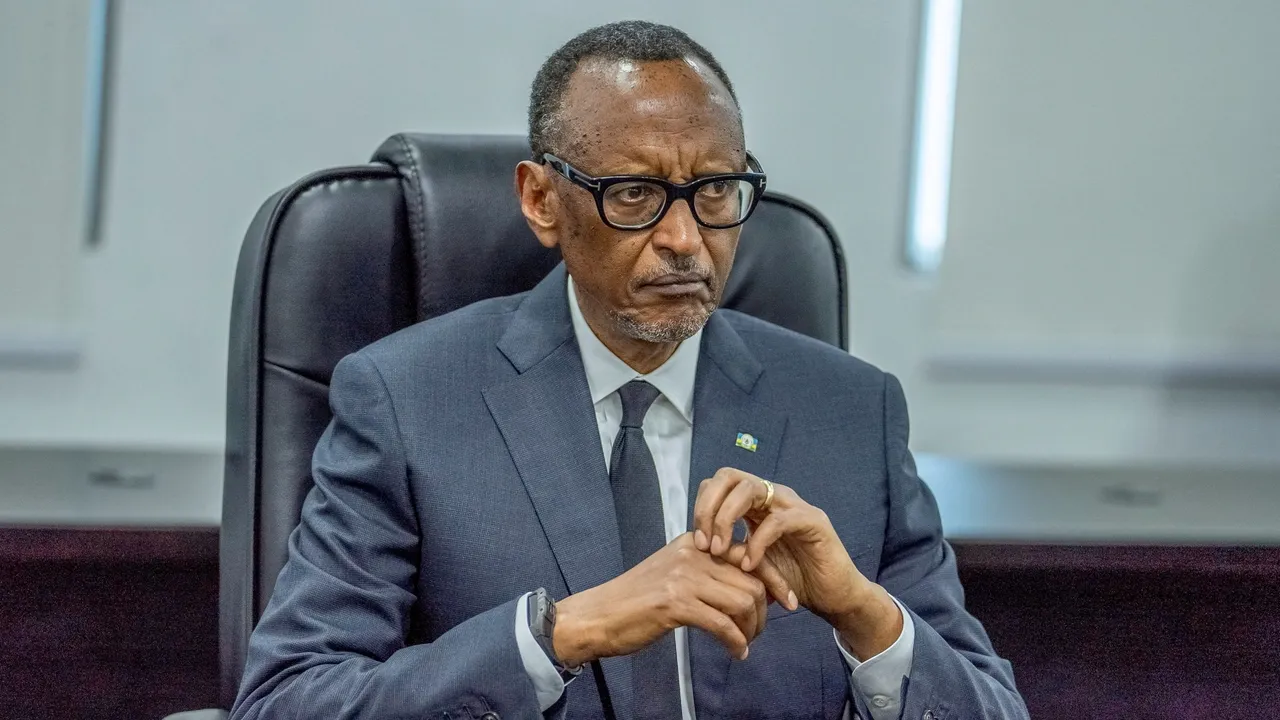
President Paul Kagame confirmed that Kigali has held preliminary discussions over taking a stake in the proposed refinery. But he was careful not to present the talks as a done deal.
“It is too early to talk about the details because I think it is a work in progress. Things are still being thought out,” Kagame said during a press conference in Kigali on August 24.
“What I can say is that Rwanda would be very happy to be part of that kind of investment.”

His comments come days after Kenya disclosed that Dangote Group had offered East African governments a combined 30 per cent equity stake in the project.
Kenya is considering a 10 per cent holding worth about $500 million, according to David Ndii, economic adviser to President William Ruto. Rwanda and Ethiopia have been identified as potential participants in the remaining regional allocation.
For now, however, Rwanda has not committed a specific amount and no final investment agreement has been announced.
That distinction matters. Kigali's interest is real, but it remains an expression of intent rather than a confirmed investment.
A regional refinery, not just a Kenyan project
The proposed Lamu facility is being designed on a scale far beyond Kenya's domestic fuel needs.
Dangote's plan is for a refinery capable of processing about 700,000 barrels of crude oil a day, broadly matching the scale of his flagship refinery in Lagos. Earlier projections put the refinery itself at around $16 billion, with associated petrochemical and port infrastructure potentially pushing the wider investment towards $20 billion.
That scale explains why Dangote is looking beyond Kenya for both capital and customers.
The proposed refinery is intended to supply several East African markets, including landlocked countries that currently depend heavily on imported refined petroleum products.
Rwanda is one of them.
The country has no coastline and relies on imported fuel, making access to reliable regional supply routes strategically important. But Kigali's potential investment would be about more than securing fuel.
An equity stake would give Rwanda an ownership interest in a major piece of regional energy infrastructure and potentially a share of its future returns.
Kenya's $500 million commitment is clearer
Kenya has so far emerged as the most clearly identified government investor.
Ndii said Kenya would take a 10 per cent stake for approximately $500 million, with the broader regional allocation amounting to about $1.5 billion.
The Kenyan government has said it intends to invest through the National Infrastructure Fund, a vehicle designed to support long-term infrastructure investments.
The structure is significant because Dangote plans to finance much of the project through debt and equity. Regional government participation could therefore help tie the refinery more closely to the markets it is intended to serve.
But there are still several pieces to put together.
No final agreements with Rwanda or Ethiopia have been publicly announced. Uganda's position is also different: it is pursuing its own refinery project and has separately backed an energy hub in Tanzania.
Lamu's rise comes after a change of plan
The choice of Lamu has itself been a moving target.
Earlier in 2026, the proposed regional refinery was associated with Tanga in Tanzania. President William Ruto publicly backed a Tanga-based regional project before Dangote later shifted his preference towards Kenya.
Dangote had previously considered Mombasa as well, citing its deeper port and Kenya's larger domestic market. The project eventually moved towards Lamu, where the availability of land and the existing deep-water port offer room for a large industrial complex.
The change has also exposed the competitive nature of East Africa's infrastructure ambitions.
Tanzania and Uganda have since moved ahead with a separate energy hub around Tanga, involving Tanzania's state oil company, Uganda and Vitol Bahrain. The proposed hub is valued at more than $20 billion and includes refinery plans.
East Africa could therefore end up with competing energy hubs rather than a single regional refinery.
That could create competition for crude, investment and customers — but it could also give the region more than one route for securing fuel supplies.
The biggest question: where will the crude come from?
The eye-catching $16 billion price tag is only one part of the equation.
A refinery of this size needs a dependable supply of crude oil, financing, storage, pipelines, port infrastructure and a large enough market to keep it running efficiently.
Ndii has said the Lamu refinery could receive crude from oil-producing countries including Kenya and Uganda. Uganda, however, is developing its crude export route through Tanzania, while Kenya's oil production in Turkana is still developing.
That creates an important logistical question: how will enough crude reach Lamu consistently and at a competitive cost?
There is also the question of competition.
East Africa currently imports most of its refined petroleum products. A new regional refinery could reduce dependence on supplies arriving from outside the region, but it would have to compete with imported fuel on price.
And an investment by Rwanda or Kenya would not automatically mean motorists in those countries would receive cheaper petrol or diesel.
Pump prices would still depend on crude prices, financing costs, taxes, transport, storage, distribution and other market factors.
A strategic bet for Rwanda
For Rwanda, the proposed investment could offer a chance to participate in a major infrastructure project despite its landlocked position.
It could also strengthen Kigali's economic links with Kenya and the wider East African market.
But an equity investment would come with commercial risks. A refinery of this scale would require billions of dollars before it generates returns, while its success would depend on sustained regional demand and efficient access to crude.
That makes Kagame's cautious language important.
Rwanda is interested. It is not yet committed.
Construction is still ahead — and so are major hurdles
Dangote has indicated that construction could begin between September and October 2026, subject to the remaining preparations and approvals. Reports put the construction period at roughly three to five years.
Before the first foundations are laid, however, the project still needs to settle its financing structure, crude supply arrangements, regulatory requirements and supporting infrastructure.
Kenya has already appointed a government team to engage with investors around the project, underlining Nairobi's push to move the refinery towards implementation.
For Lamu, the stakes are even bigger.
A project of this size could give fresh momentum to the Lamu Port-South Sudan-Ethiopia Transport (LAPSSET) corridor, bringing new industrial activity to a port that has struggled to attract the volume of business originally envisaged.
It could mean jobs, new infrastructure and additional cargo.
But it could also bring questions about environmental impact, land use, community benefits and whether local residents will receive a fair share of the economic gains.
What Rwanda's interest really means
Kagame's announcement gives Dangote something the project needs: a stronger regional political and commercial base.
It also sends a signal that East African governments may want to do more than simply buy fuel from the proposed refinery. They may want to own part of the infrastructure supplying it.
But the refinery remains a project under development, not an operating facility.
For now, Kenya's proposed $500 million stake is the clearest disclosed government investment, while Rwanda and Ethiopia remain potential partners.
The real test will come when expressions of interest turn into signed agreements, financing and construction.
If Dangote can bring those pieces together, Lamu could become one of East Africa's most important energy and industrial hubs.
If not, the refinery risks remaining another grand regional infrastructure proposal caught between political ambition, financing demands and the hard economics of moving oil.
Related Stories
- Ruto says Gen Z protests were a call to be heard, not an attack on democracy
- Sabastian Sawe pulls out of Berlin Marathon title defence after injury
- Kenya weather twist: Dry spell now, heavy El Niño rains later
Category: Business
Related Video: Murkomen Says Kenya Is Safe: “Stop Creating a Crisis” | Political Goons & Security Under Scrutiny
Related Explainer: Fact Check: Did elephants save people during Nepal’s floods?
 Facebook
 Twitter / X
 WhatsApp
 LinkedIn
 Telegram
 Reddit