
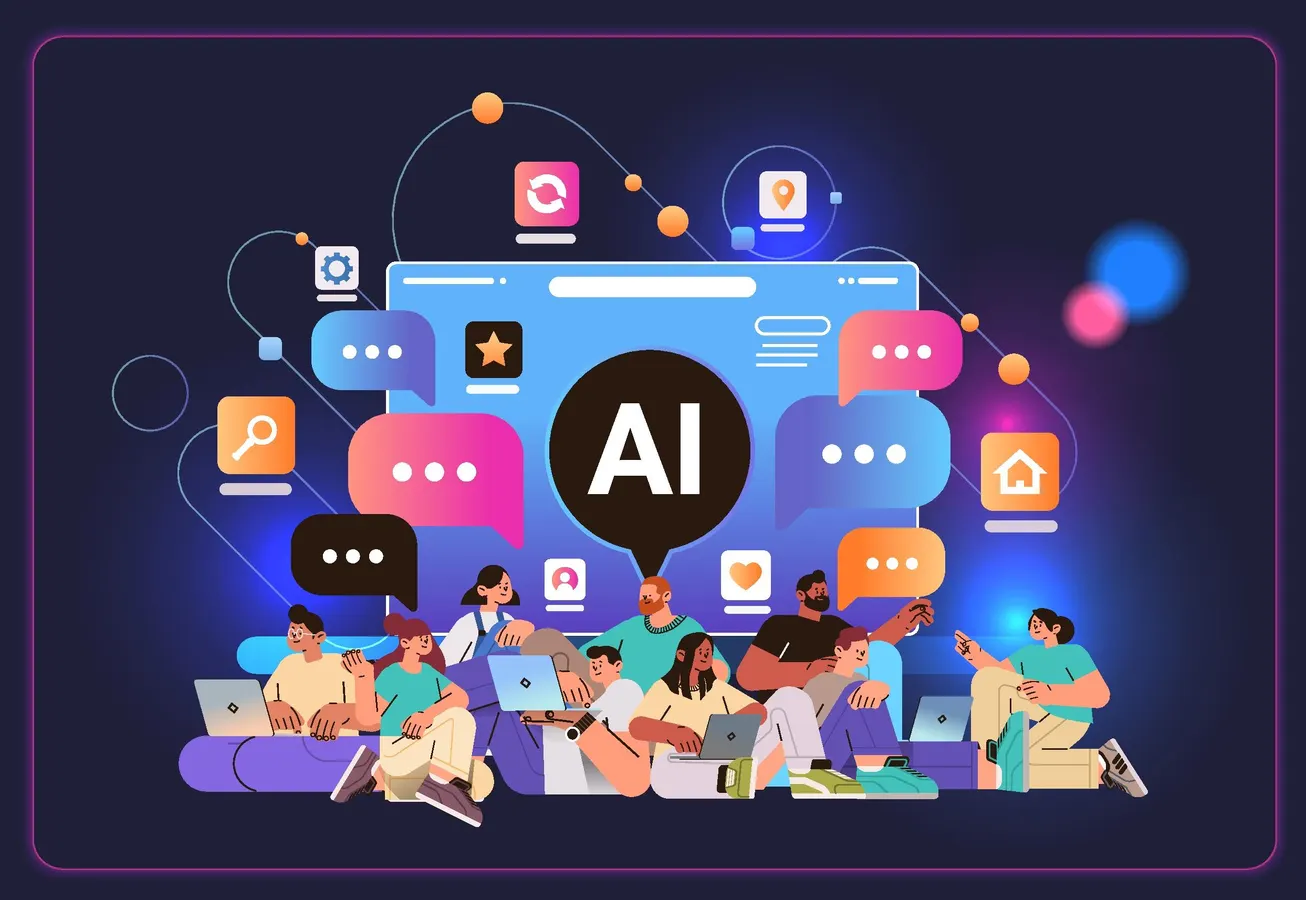
Artificial intelligence is no longer just helping young people with schoolwork, jobs or content creation. Increasingly, Gen Z is turning to AI chatbots for something far more personal — advice about relationships, family disagreements, fitness and major life decisions.
A recent Wall Street Journal report highlighted how young adults are using AI to analyse conversations, draft difficult messages and prepare for face-to-face discussions.
The attraction is clear. AI is available instantly and can offer advice without appearing judgemental.
But experts and researchers are raising a bigger question: when does AI stop being a tool for thinking and start making decisions on our behalf?

Kenya’s AI generation
The issue is particularly relevant in Kenya, where AI use has grown rapidly.
According to DataReportal’s Digital 2026 Mid-Year Global Update, based on GWI research across 54 markets, 97.5 per cent of surveyed online adults in Kenya said they had used at least one AI tool in the previous month. Kenya ranked first among the markets covered.
Globally, AI use is especially high among younger users, with almost nine in 10 internet users aged 16 to 24 reporting recent use.
For young Kenyans, AI is increasingly tied to work and income. It is being used to write proposals, learn skills, create content, analyse information and support freelance businesses.
But high usage does not automatically mean high AI literacy.
Knowing how to ask ChatGPT a question is different from knowing whether its answer is accurate.
When AI becomes your relationship adviser
That distinction becomes more important when AI enters private life.
A user may ask: How should I respond to this message? Was I too harsh? How do I apologise? What questions should I ask someone I want to marry?
AI can help organise thoughts and suggest different ways to approach a difficult conversation. But it only sees the information a user provides.
It cannot fully understand a relationship, family history, cultural context or the emotions of everyone involved.
The same caution applies to religious questions. AI can explain basic concepts or help someone find information, but matters involving marriage, divorce, inheritance or religious law may require guidance from a qualified religious scholar or trusted authority.
The real issue is judgement
Kenya’s rapid adoption of AI presents both an opportunity and a challenge.
The technology can help young people learn, work and solve everyday problems. But it can also make misinformation, manipulated images and convincing false information easier to produce and spread.
The goal, therefore, should not simply be to teach young people how to use AI.
It is to teach them when to trust it, when to question it and when to put the phone down and ask another human being.
AI can be a useful assistant. It should not become the person making the important decisions in your life.
Related Stories
- Expectant Police Officers Get New Uniforms as Ruto Unveils Kenya’s New Police Look
- Katiba Day 2026: 16 years later, is Kenya living its Constitution?
- KCSE will not be postponed over El Niño rains, Education Ministry says
Category: Lifestyle
Related Video: Murkomen Says Kenya Is Safe: “Stop Creating a Crisis” | Political Goons & Security Under Scrutiny
Related Explainer: Fact Check: Did elephants save people during Nepal’s floods?
About the Author
Maureen Onyango is a journalist passionate about storytelling, life coaching and spiritual lessons. She studied at the Kenya Institute of Management and enjoys telling stories that inform, inspire and empower communities.
 Facebook
 Twitter / X
 WhatsApp
 LinkedIn
 Telegram
 Reddit