
Kenya could soon phase out different school uniforms in public schools under sweeping proposals aimed at cutting education costs for parents and reshaping the country’s Competency-Based Curriculum system.
The recommendations emerged from the recent Naivasha Education Conference, where education officials, teacher unions, religious leaders and development partners gathered to discuss reforms affecting schools, teachers and learners across the country.
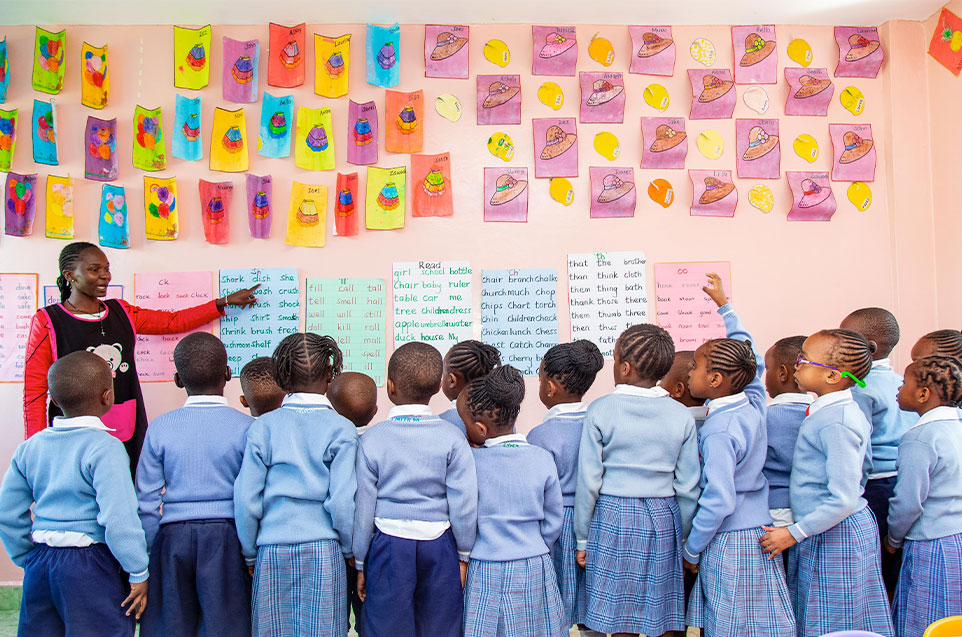
At the centre of the proposals is a plan to introduce a standardised national school uniform for all public schools, while allowing institutions to preserve their identity through custom badges.
Supporters say the idea could ease the growing financial burden many families face every time children transition between schools.
“The conference resolved that the country should adopt standardised school uniforms across all levels of education,” the resolutions state, adding that the move would promote “uniformity, equity and affordability”.
Schools would still be allowed to maintain a unique identity through specific badges attached to the uniforms.
The conference also proposed regulating and capping the cost of school uniforms, an issue that has become increasingly contentious as parents struggle with the rising cost of living.
Rethinking the CBC Structure
Beyond uniforms, the proposals signal a broader rethink of how Junior Secondary Schools under the Competency-Based Curriculum are managed.
Stakeholders recommended merging primary and junior secondary schools into one comprehensive institution operating under a single administration and one board of management.
Under the proposed system, schools would have two deputy headteachers — one overseeing the primary section and another handling junior secondary learners.
“To strengthen institutional administration and management, two deputy headteachers shall be appointed,” the conference resolutions noted.
Education officials argue that the model could reduce duplication, streamline governance and improve coordination between lower learning levels.
The recommendations come as the government continues facing pressure over the implementation of CBC, which has drawn criticism from some parents, teachers and education experts over costs, preparedness and infrastructure challenges.
Ruto Raises Concern Over Uniform Costs
While opening the conference, President William Ruto challenged education stakeholders to confront the growing cost of school uniforms, warning that the expense was increasingly locking vulnerable learners out of classrooms.
Parents across Kenya have long complained about schools insisting on exclusive suppliers and expensive branded uniforms, particularly during transitions to secondary and junior secondary levels.
For many low-income families, uniforms have become one of the biggest back-to-school expenses after fees.
Education analysts say a standardised design could reduce exploitation by suppliers while easing pressure on households with multiple school-going children.
Still, some parents and alumni groups are likely to resist the idea, arguing that school uniforms often form part of an institution’s culture and identity.
Push for Teacher Reforms
The conference also addressed long-running concerns around teacher employment.
Stakeholders proposed replacing the term “teacher interns” with “teachers on contract” and recommended that educators on two-year contracts be absorbed into permanent and pensionable terms after completing their service.
Teacher unions have repeatedly criticised prolonged internship arrangements, saying many young teachers remain underpaid and trapped in uncertain employment cycles.
“The Conference resolved that teachers serving on contractual terms should be absorbed into Permanent and Pensionable employment,” the resolutions stated.
The meeting also proposed replacing the controversial term “delocalisation” with “nationalisation” in teacher deployment policies, in what appears to be an effort to soften criticism surrounding transfers away from home counties.
Schools Facing Closure Risk
Another sensitive issue discussed was the fate of schools that failed to attract learners transitioning to Grade 10 under CBC.
Delegates recommended that such schools undergo viability assessments, with struggling institutions potentially converted into satellite branches of stronger neighbouring schools.
Officials say the proposal is intended to improve the use of infrastructure and teaching resources in areas with low enrolment.
The conference additionally called for a unified bursary and scholarship framework covering basic education, TVET institutions and universities through a central digital platform linked to the Kenya Education Management Information System.
Stakeholders also urged closer cooperation between the Ministry of Education and NACADA to address rising concerns over drug and substance abuse among learners.
For now, the recommendations remain proposals awaiting consideration by education authorities. But together, they point to a government under pressure to refine CBC while addressing public frustration over cost, inequality and access to education.