
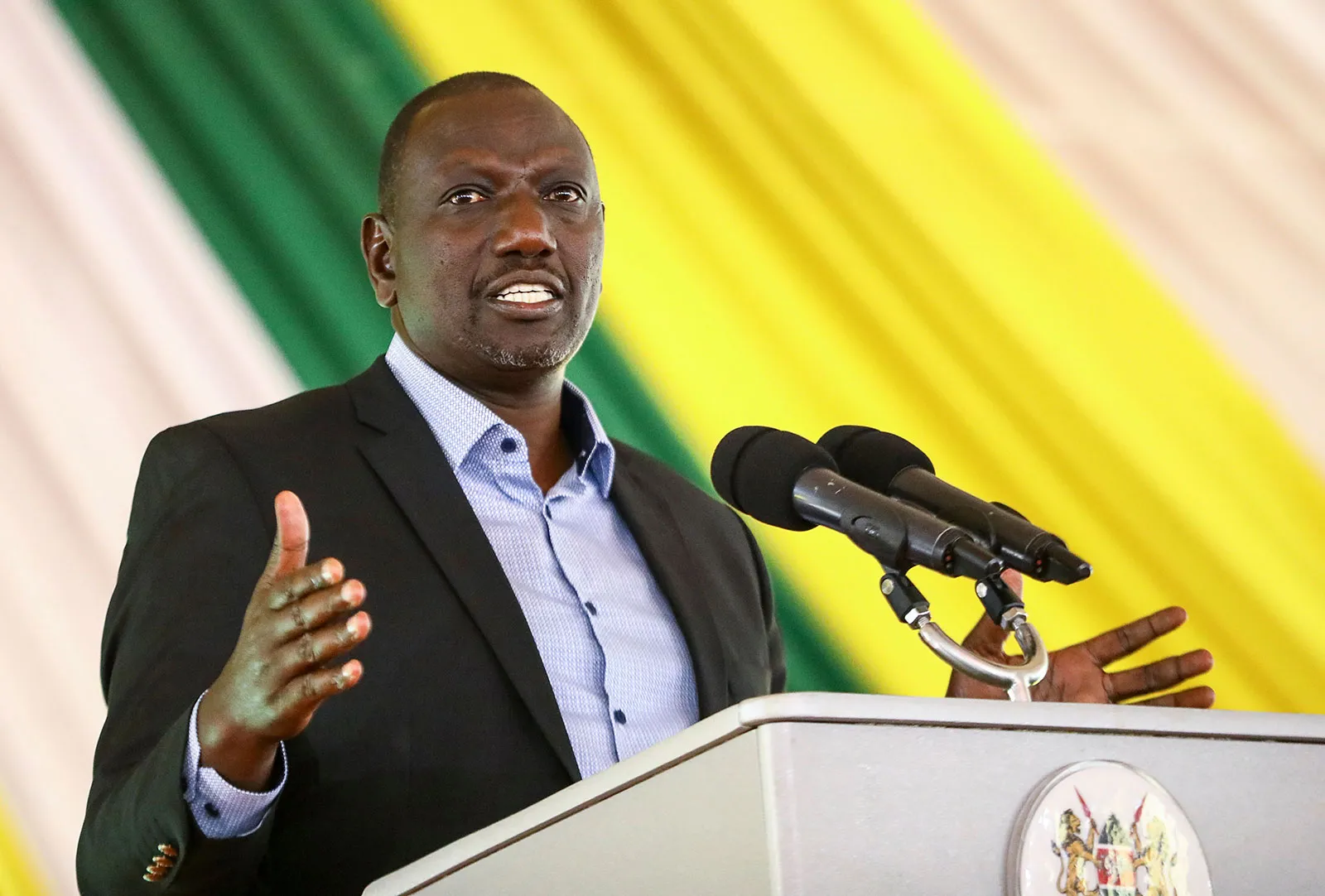
Kenya has moved to ease rising fuel costs after President William Ruto signed into law a temporary reduction in value added tax on petroleum products.
The measure, approved at State House Nairobi, lowers VAT from 16 per cent to 8 per cent for a period of three months. It comes amid mounting concern over the cost of living, driven in part by global oil price volatility.
Lawmakers passed the Value Added Tax Amendment Bill 2026 during a special sitting on April 16, framing it as an urgent intervention.
A response to global shocks
Speaking in parliament, Deputy Majority Leader Owen Baya pointed to international factors as the main driver behind the surge in fuel prices.
“Kenya exists within the global financial ecosystem, and therefore, the wars and disruptions that have been happening in the Middle East have greatly affected our country,” he said.
Mr Baya argued that the increase in pump prices is largely tied to global supply disruptions and exchange rate pressures, rather than domestic policy decisions.
“Fuel prices in the current cycle are primarily driven by external economic factors rather than domestic policy decisions,” he added.
Kenya imports most of its refined petroleum, leaving it exposed to swings in international markets. Even modest changes in global prices or currency rates can quickly translate into higher costs at the pump.
The impact at home
The rise in fuel prices has had a visible effect across the economy.
Transport costs have climbed. Food prices have followed. For many households, the pressure has been immediate.
“Every Kenyan has felt the impact. From farm produce to cooking gas, the cost of living continues to rise,” Mr Baya told lawmakers.
By cutting VAT, the government hopes to bring down the landed cost of fuel and, in turn, ease pressure on sectors that depend heavily on energy, including transport, manufacturing and agriculture.
Relief, but only temporary
The tax reduction is time-bound, lasting three months. Officials have presented it as a short-term buffer while global markets remain unsettled.
Supporters say the move offers immediate relief and signals responsiveness to economic strain.
Some economists, however, have in the past cautioned that temporary tax cuts can strain public finances if not offset by other measures, particularly in a country managing high debt obligations. Others argue that such steps are necessary to shield consumers during periods of external shock.
What comes next
Attention now turns to how quickly the tax cut will be reflected in pump prices, and whether it will provide meaningful relief to households.
The government faces a delicate balance: easing pressure on consumers while maintaining revenue needed for public services.
For now, the VAT cut offers a measure of breathing space. But with global oil markets still uncertain, the longer-term outlook remains tied to forces far beyond Kenya’s borders.