
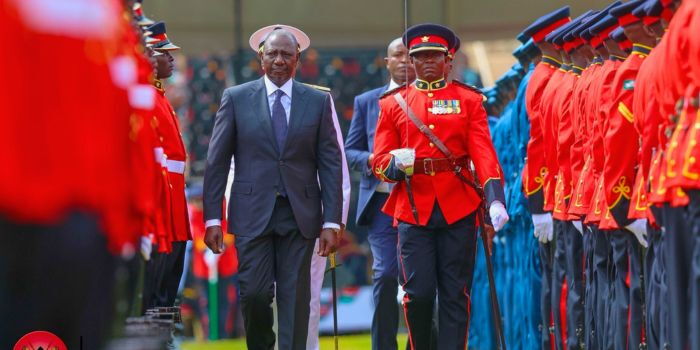
Kenya has set out its calendar for national holidays in 2026, spreading key celebrations across counties in a move the government says is meant to deepen national identity and inclusion.
In a circular issued by the Executive Office of the President, officials detailed when and where major state events will be held, with a notable shift away from traditional host locations.
Among the headline changes is the decision to stage Madaraka Day in Wajir County for the first time since independence.
The circular, signed by Felix Koskei, said national days are intended to “strengthen our national identity and fortify nationhood,” adding that recent administrations have tied celebrations to specific themes.
A countrywide calendar
The schedule begins with Labour Day on May 1, which will be marked in Vihiga County.
Madaraka Day follows on June 1 in Wajir, a choice that has already triggered a flurry of infrastructure works in the region.
Officials say a 10,000-seat stadium is under construction ahead of the event, alongside upgrades at Wajir International Airport, including improvements to the runway and terminal facilities.
Later in June, an international ocean conference is scheduled to take place across Mombasa County and Kilifi County, reflecting Kenya’s growing role in regional environmental discussions.
Themes and priorities
The government has attached thematic focus areas to each event.
Katiba Day, set for August 27 in Nairobi, will centre on education, skills and the future, with an emphasis on human capital development.
Mazingira Day, on October 10, will be held in Trans Nzoia County, followed by Mashujaa Day on October 20 in Elgeyo-Marakwet County, both expected to highlight environmental efforts and national heroes.
The year will culminate with Jamhuri Day on December 12 in Kiambu County, where William Ruto is expected to lead the main celebrations.
Minorities Day will follow on December 18 in Marsabit County, focusing on inclusion and diversity.
A strategy of rotation
Since the advent of devolution, Kenya has increasingly rotated national celebrations across counties, a policy aimed at spreading economic benefits and visibility beyond major cities.
Supporters say the approach brings investment and infrastructure to regions that might otherwise be overlooked.
In Wajir, local leaders have welcomed the decision, pointing to ongoing construction and upgrades as signs of lasting benefit.
Critics, however, have occasionally questioned the cost of hosting large-scale events in new locations, particularly where infrastructure must be built or expanded within tight timelines.
Coordination and planning
To oversee preparations, the government has tasked Dennis Itumbi with coordinating efforts across ministries and state departments.
Officials say the goal is to ensure each event is delivered smoothly and reflects the intended national themes.
For now, the calendar offers a clear roadmap for 2026—one that blends ceremony with policy, and tradition with a continued push to take national moments to every corner of the country.