
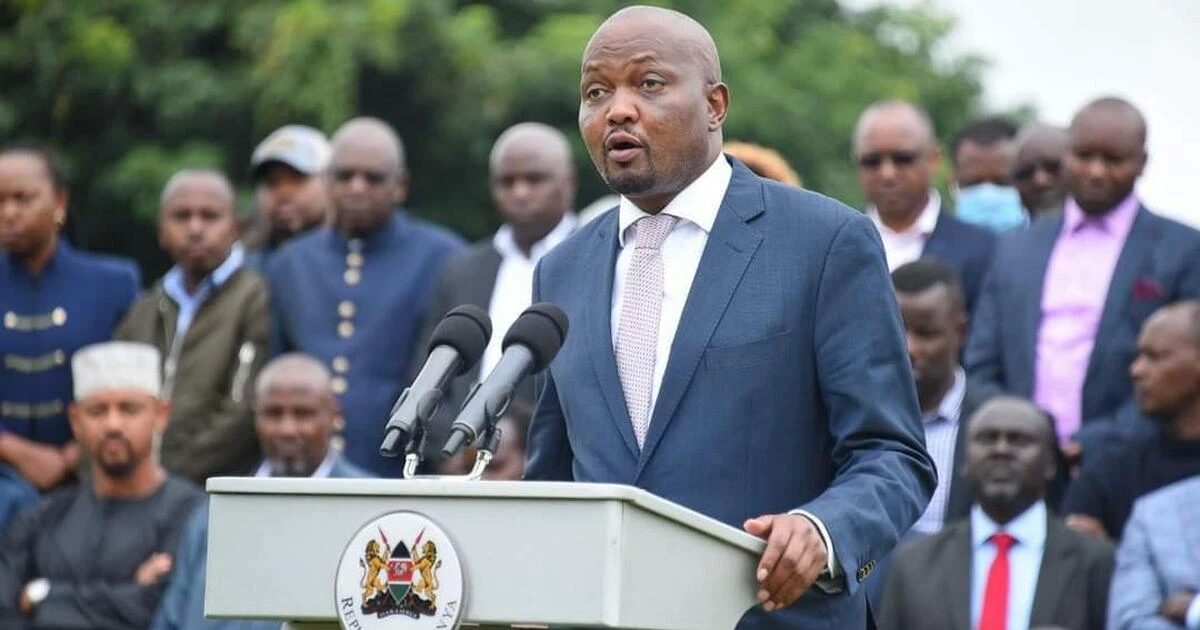
Former Cabinet Secretary Moses Kuria has delivered a blunt assessment of Kenya’s emerging 2027 opposition politics, arguing that Nairobi Senator Edwin Sifuna is being elevated publicly only to be positioned for a deputy-presidential role behind Wiper leader Kalonzo Musyoka.
Appearing on Citizen TV’s JKL hosted by Jeff Koinange on Sunday night, Kuria said Sifuna’s growing political profile should not automatically be interpreted as evidence that the opposition has settled on him as its presidential candidate.
Instead, he offered a more dramatic reading of the unfolding political chessboard: Sifuna, in his view, is being prepared to play second fiddle to Kalonzo.
Kuria described Sifuna as a talented politician with a potentially long future but argued that the people surrounding him do not yet constitute the national political machinery required to win a presidential election.

“Sifuna is being prepared for slaughter,” Kuria said, before explaining that he believed the Nairobi senator was being “fattened” politically and encouraged to believe he could fly at the top of the ticket.
The remarks come almost exactly one year before Kenya's scheduled August 10, 2027 General Election, giving Kuria's assessment added significance as opposition leaders accelerate efforts to build a coalition capable of challenging President William Ruto.
The real prize may be Kalonzo
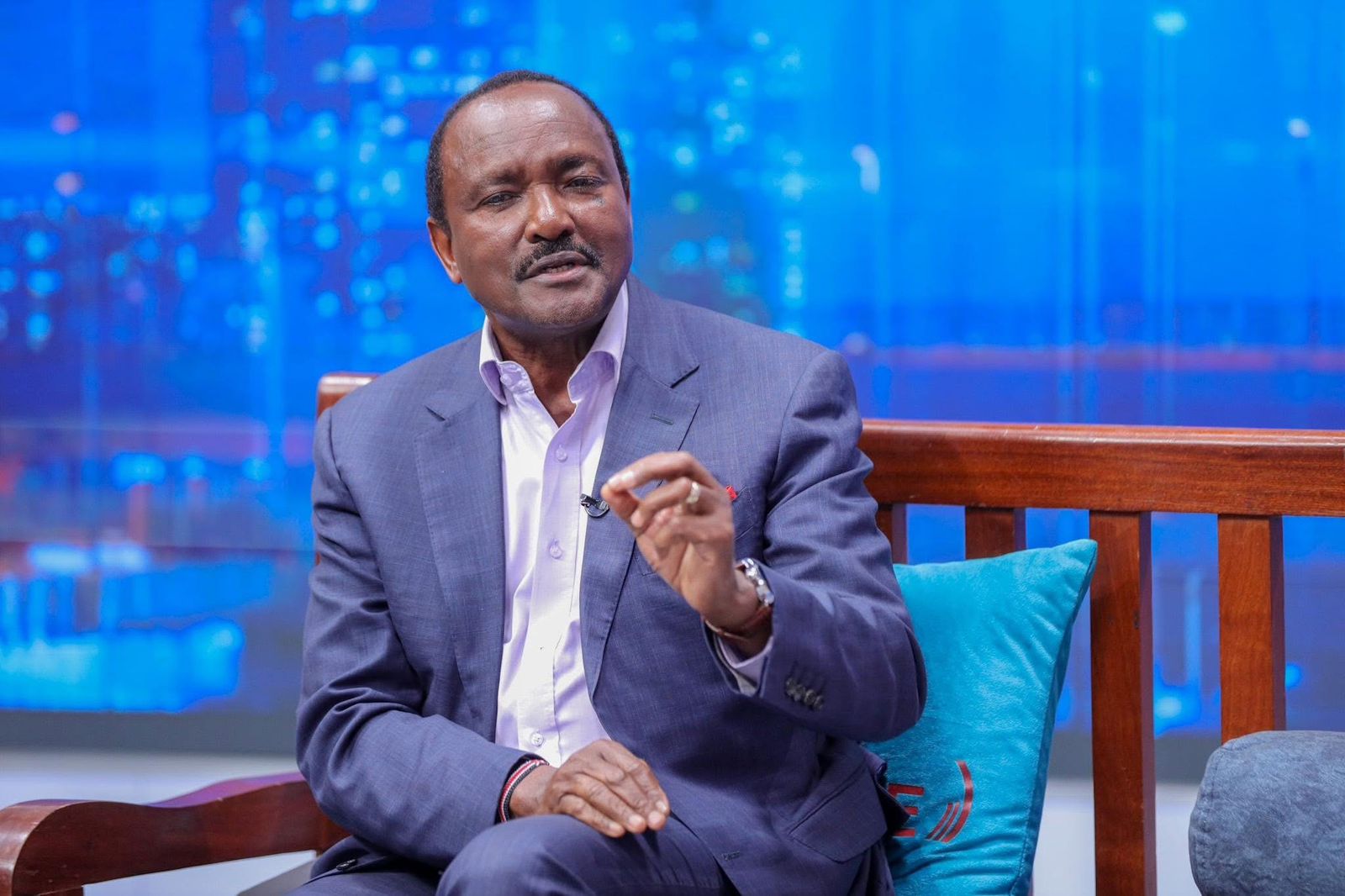
Kuria's bigger claim was not about Sifuna alone.
He argued that the opposition's presidential question may already have been informally settled around Kalonzo Musyoka, despite the continuing public contest involving Sifuna, former Interior Cabinet Secretary Fred Matiang’i, former Deputy President Rigathi Gachagua and other potential contenders.
According to Kuria, former President Uhuru Kenyatta and Gachagua may disagree on several aspects of the emerging opposition arrangement but share one critical position: Kalonzo is the presidential candidate they can agree on.
He described the remaining dispute as less about who should occupy the top position and more about who would wield influence over Kalonzo and the coalition around him.
Kuria jokingly framed the contest as a battle over who would become the “majority shareholder” in what he called “Kalonzo Musyoka Incorporated.”
The claim is significant because Kalonzo's position has been strengthening within opposition calculations in recent months.
A July analysis by The Star described Kalonzo as increasingly emerging as the favourite to carry the United Opposition presidential flag, even as Sifuna and Matiang’i continued building their own national profiles.
The same report noted that Gachagua's allies had publicly suggested that opposition leaders had already settled on Kalonzo, although Gachagua himself has not formally endorsed him.
Why Sifuna matters
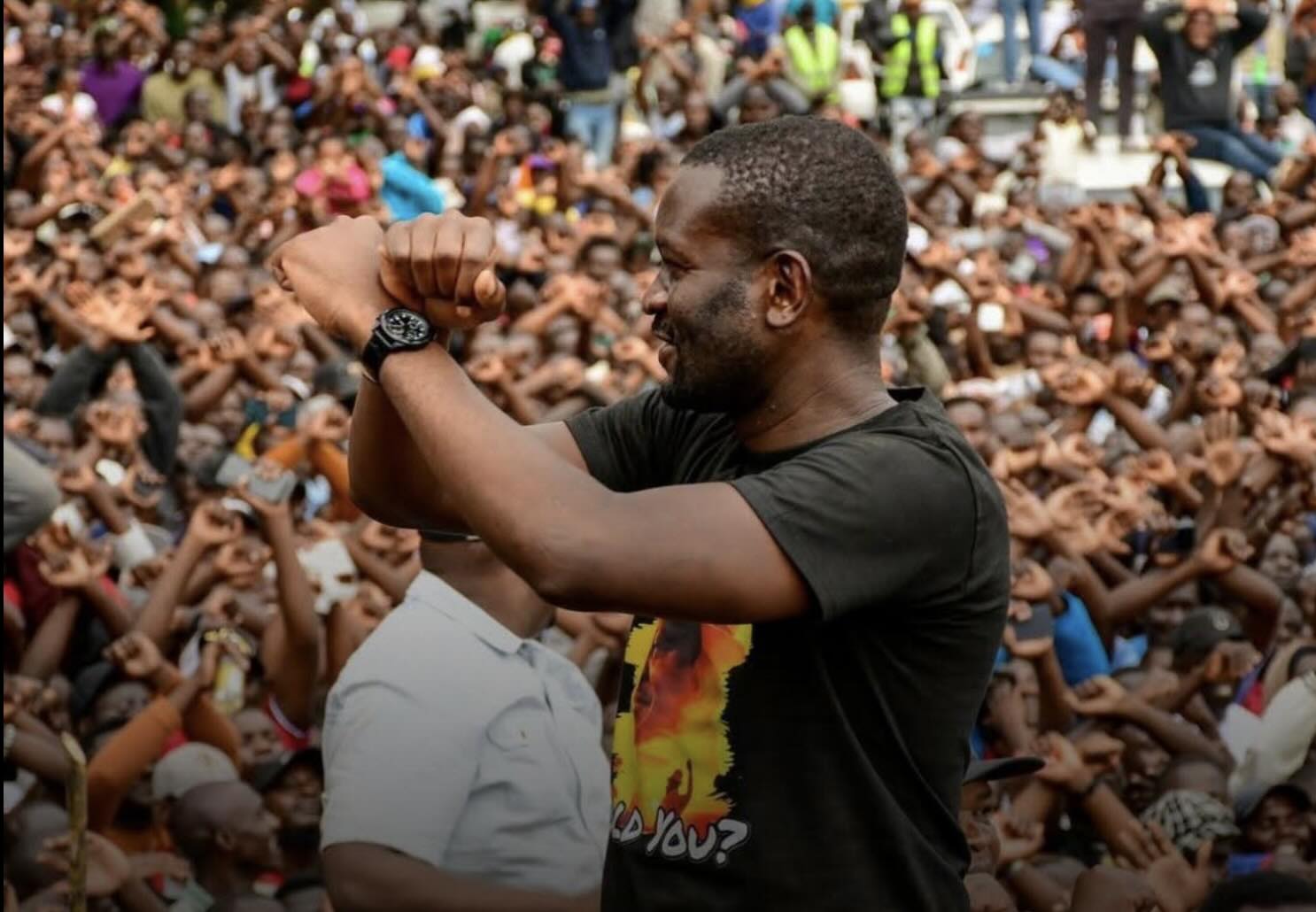
Kuria's theory depends heavily on Sifuna's rising political profile.
The Nairobi senator has become one of the most visible figures in the opposition through the Linda Mwananchi movement and his increasingly national political messaging.
Sifuna has previously rejected suggestions that he is somebody else's political project.
In July, he dismissed claims that he was being sponsored by Uhuru Kenyatta, insisting that Linda Mwananchi was funded by ordinary supporters.
His political rise has nevertheless generated speculation about where he fits into the opposition's eventual presidential arrangement.
Earlier reporting has pointed to the possibility of a Kalonzo-Sifuna combination, while other formations have placed Sifuna alongside different opposition figures.
Kuria's interpretation is therefore particularly provocative: the very political momentum that appears to be pushing Sifuna toward the presidency could, in his view, ultimately be used to make him the strongest possible running mate.
That would make Sifuna's current mobilisation both an asset and a potential trap.
‘They did not give him the memo’
Kuria went further, suggesting that Sifuna himself may not be fully aware of the role some of his political allies envisage for him.
He argued that Sifuna was touring the country and speaking to the Mulembe Nation as though he were being prepared for the presidency, while those around him could ultimately be positioning him for the deputy-presidential slot.
“They didn't give him the memo,” Kuria said.
The claim is politically explosive because Sifuna's appeal has been built partly around the idea of generational change and a break from Kenya's traditional succession politics.
Putting him on a Kalonzo ticket could give the opposition a combination of experience and youth, but it could also create a new problem: would Sifuna's supporters accept him stepping aside after being encouraged to think of him as presidential material?
That question could become one of the most consequential negotiations in the opposition camp.
What happens to Matiang’i?
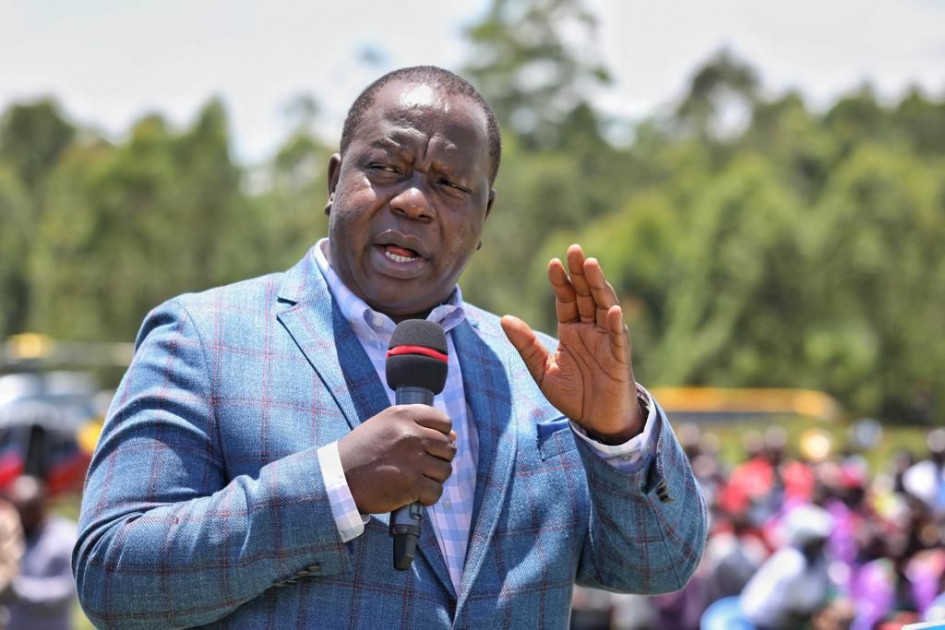
Kuria's proposed Kalonzo-Sifuna arrangement also creates a difficult question for Fred Matiang'i.
Matiang’i has been building his own national campaign and has been widely viewed as a potential presidential contender within the opposition.
A July political analysis noted that Matiang’i had strengthened his position through Jubilee backing and intensified political activity, while also rejecting the idea that the opposition's presidential candidate should simply be selected through a closed-door deal.
Matiang’i has instead supported a more objective method of determining the flagbearer, including opinion polling.
That position could put him directly at odds with any arrangement in which the opposition principals agree on a candidate before a transparent selection process.
And where does Gachagua fit?
Perhaps the most intriguing part of Kuria's argument concerns Rigathi Gachagua.
Kuria rejected the assumption that Gachagua necessarily wants to be the presidential candidate.
He argued that Gachagua understands the political arithmetic and would be more interested in determining who wins than necessarily putting his own name on the ballot.
Kuria therefore portrayed Gachagua as a potential kingmaker rather than candidate.
That interpretation would fundamentally change how his current political activities are understood.
Instead of asking whether Gachagua will run for president, the more important question would become: which presidential candidate does Gachagua ultimately choose to empower?
Kuria's answer is Kalonzo.
He insisted that even if Gachagua succeeds in his ongoing legal battle, he does not believe the former deputy president will ultimately seek the presidency himself.
The Malala claim that Gachagua would endorse Sifuna for President
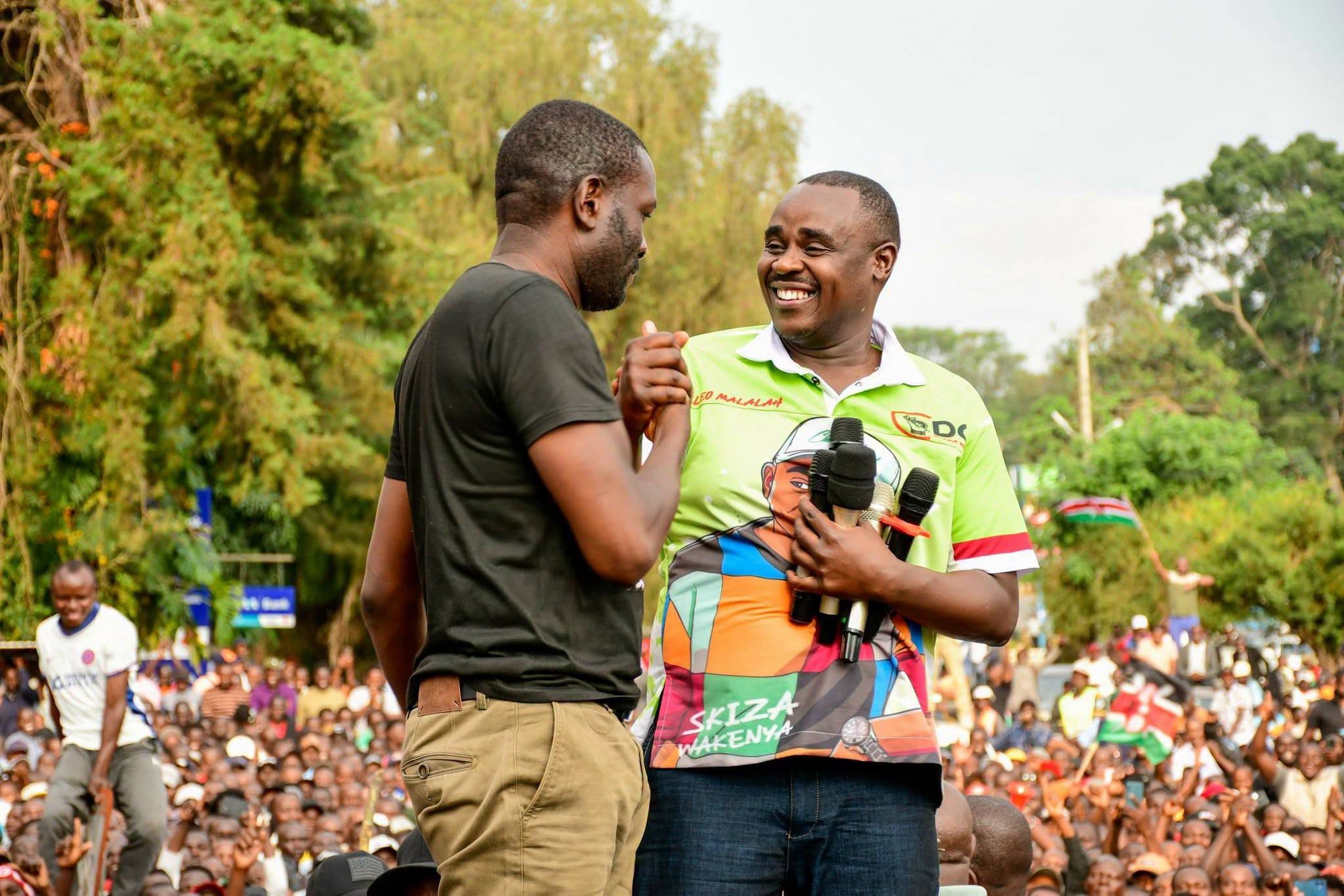
Kuria also dismissed recent suggestions that Gachagua could support Edwin Sifuna for president.
He argued that Gachagua would not consider Sifuna sufficiently politically mature for the presidency and claimed that Gachagua would find Kalonzo easier to work with.
The remarks underline another emerging contest within Western Kenya.
Sifuna's growing influence among younger voters and the wider Mulembe community has increasingly put him in the middle of the opposition's succession debate, while figures such as Malala are also seeking relevance in the emerging coalition architecture.
The bigger question: Is the opposition election already being negotiated?
Kuria's comments point to a bigger story beyond Sifuna.
Kenya's 2027 opposition race may not ultimately be decided by whoever appears strongest on the campaign trail today. It could be decided in negotiations among the political principals controlling different regional blocs.
That is why Sifuna's rise matters.
It is also why Kalonzo's positioning matters.
And it explains why the relationship between Uhuru, Gachagua, Kalonzo, Matiang’i and the emerging generation of politicians could become more important than individual rallies in determining the eventual ticket.
The opposition has publicly maintained that unity is necessary to defeat Ruto.
Sifuna himself has previously argued that opposition forces must approach the election as one force.
But unity comes with a difficult question: who gets to lead it?
If Kuria's reading is correct, the battle may already be moving from who can become president? to the more complicated question of who controls the person who becomes president?
And for Sifuna, that could be the most important political question of the next 12 months.
The 2027 race, in other words, may have begun long before the ballot is printed.
Related Stories
- Orengo’s Car Torched in Migori as Natembeya Warns of Attempts to Paint Nyanza as Hostile
- Sifuna’s Linda Mwananchi battle enters a new phase
- LINDA Party Claims Name as Sifuna’s Linda Mwananchi Registration Battle Escalates
Category: Politics · Related Topic: 2027 Elections
Related Explainer: Fact Check: Did elephants save people during Nepal’s floods?
 Facebook
 Twitter / X
 WhatsApp
 LinkedIn
 Telegram
 Reddit