
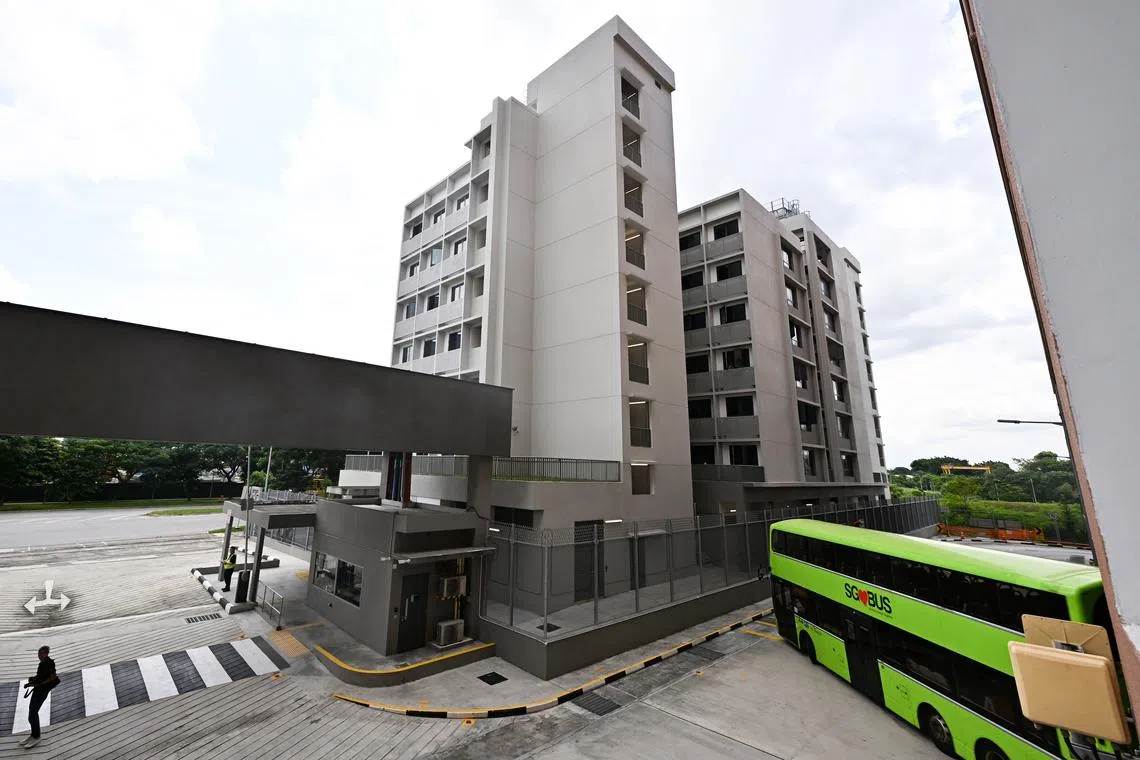
Singapore’s public housing system offers an interesting contrast to Kenya’s Affordable Housing Programme, particularly in how the two countries approach homeownership, financing and the role of government.
In Singapore, homeownership is deeply embedded in the country’s public housing model. About four in five Singaporeans live in Housing and Development Board (HDB) flats, while about 90% of Singaporean households own their homes, according to Singapore’s HDB.
The model is visible across the city-state, where large residential estates are integrated with schools, shopping centres, recreation facilities and public transport.
A key difference is how Singaporeans finance these homes.

Workers contribute to the Central Provident Fund (CPF), Singapore’s mandatory social security savings system. For workers aged 55 and below, the current contribution rate is 37% of monthly wages for eligible salaries — 20% from the employee and 17% from the employer.
Part of the worker’s CPF savings can then be used to finance a home.
The system therefore links employment, compulsory savings and homeownership. Eligible Singaporeans can buy different categories of HDB flats, with government subsidies and financing options available depending on their circumstances. HDB also provides housing loans to eligible buyers.
The result is a public housing system that is not simply about constructing houses. It is also about creating complete neighbourhoods.
The housing estates are generally connected to Singapore’s extensive public transport network, with schools, shops and other services located within or around residential communities.
How Kenya's model is different
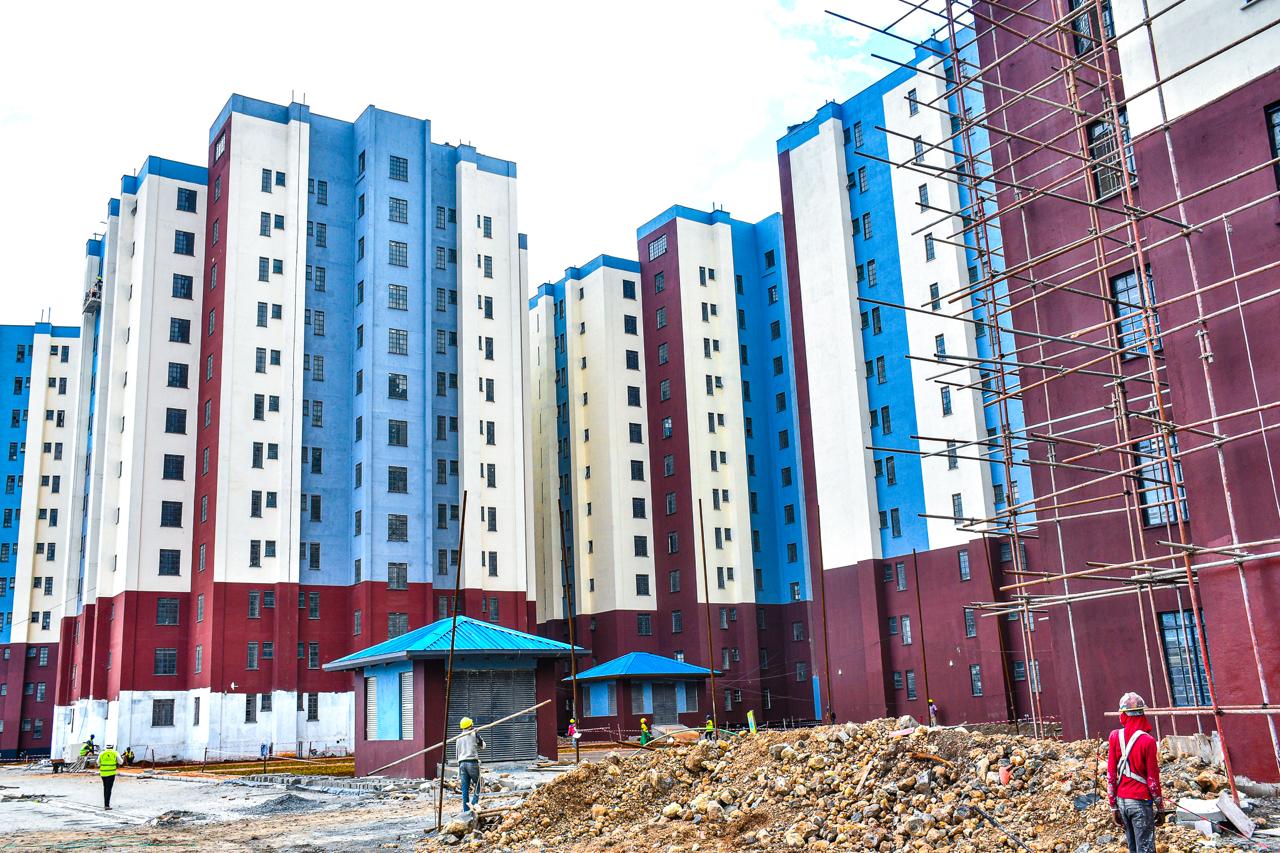
Kenya’s Affordable Housing Programme under President William Ruto also seeks to expand access to homeownership, but its financing structure is different.
Kenya finances the programme partly through the Affordable Housing Levy, under which employees and employers each contribute 1.5% of an employee's gross monthly salary.
The money is collected by the Kenya Revenue Authority and supports the framework established under the Affordable Housing Act, 2024. Kenyans can register and apply for homes through the government's Boma Yangu platform.
This creates an important distinction.
In Singapore, the compulsory savings system is primarily an individual's accumulated CPF savings, which can be used for housing among other approved purposes. In Kenya, the Affordable Housing Levy is a statutory contribution collected to finance the national housing programme.
Singapore's system has also evolved over decades, meaning its current homeownership figures are the product of a much longer housing policy history. Kenya's programme is comparatively new and is still being rolled out.
Beyond the house itself
Perhaps the biggest lesson from Singapore is that affordable housing is not only about the price of the apartment.
The surrounding infrastructure matters.
In many Singaporean estates, residents can access buses and trains, schools, shops and recreational facilities without relying heavily on private cars. This makes the location and services around the home part of the housing equation.
Kenya's affordable housing programme faces a different urban environment, including rapid population growth, traffic congestion, infrastructure deficits and a large informal workforce.
That makes simply comparing the price of a Kenyan affordable unit with the price of a Singaporean HDB flat misleading.
The two countries have different economies, land constraints, incomes, transport systems and histories of public housing.
But Singapore demonstrates one important principle: a successful affordable housing programme can become much more than a construction project when housing is linked to savings, financing, transport, schools, jobs and other essential services.
For Kenya, the question is therefore not only how many affordable houses are built.
It is also whether the people who eventually occupy them can afford the payments — and whether those homes are connected to the jobs, transport and services that make them practical places to live.
Singapore's experience suggests that the real measure of affordable housing may ultimately be less about the building itself and more about the ecosystem created around it.
Related Stories
- From Singapore to Kenya: Why Kinyanjui Kombani’s ‘Dear Mama’ Is Reaching a New Generation
- Dr Julius Kipngetich: The ‘Mr Fix It’ Who Turned Troubled Institutions Into Lessons in Money and Management
- Nepal: A Country Shaped by Mountains, Monsoons and Repeated Flood Disasters
Category: Features · Related Topic: William Ruto
Related Explainer: Fact Check: Did elephants save people during Nepal’s floods?
 Facebook
 Twitter / X
 WhatsApp
 LinkedIn
 Telegram
 Reddit