
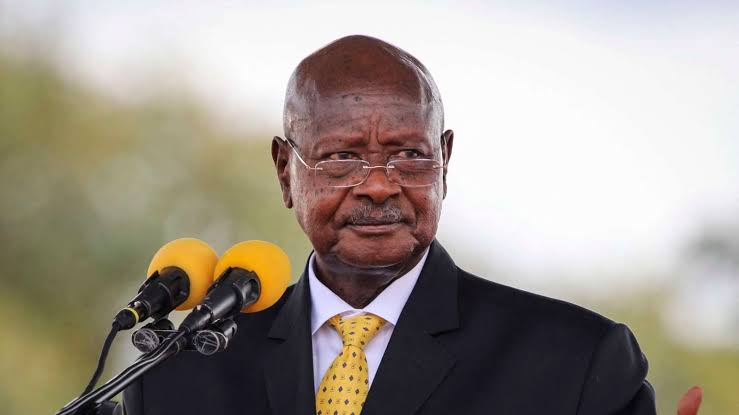
The United Nations has sharply criticised Uganda's government over what it describes as an escalating campaign against opposition politicians, civil society groups and independent voices, warning that the country's democratic space is rapidly shrinking.
In a statement issued on Thursday, UN High Commissioner for Human Rights Volker Türk said recent actions by President Yoweri Museveni's administration point to a worrying decline in respect for fundamental freedoms and the rule of law.
"I am appalled that the authorities are increasingly targeting any form of dissent and deepening restrictions on the fundamental freedoms of all those living in Uganda," Türk said.
He warned that the increasing use of military structures in civilian affairs, coupled with restrictions on opposition activity and civil society, had created what he described as a climate of fear.
"The actions of the authorities are creating a climate of fear that is increasing self-censorship, further stifling public debate and deepening polarisation," he added.
The UN statement came shortly after Winnie Byanyima, wife of opposition leader Kizza Besigye and Executive Director of UNAIDS, announced that Besigye had collapsed during a court appearance in Kampala and was admitted to an intensive care unit.
"He is unconscious, unable to speak, and unresponsive even to a pain stimulus," Byanyima wrote on X.
Besigye, one of President Museveni's longest-serving political rivals, reportedly collapsed while appearing in court on treason charges before being taken to hospital by ambulance.
Türk said the human rights situation had deteriorated since Uganda's January 2026 general election. According to the UN, at least 50 opposition politicians and supporters have been arrested during that period.
The High Commissioner also expressed concern over attacks on the media, saying journalists had been subjected to enforced disappearances, arbitrary arrests, torture and other forms of ill-treatment that fall short of international human rights standards.
He urged the Ugandan government to honour its obligations under international human rights law, the African Charter on Human and Peoples' Rights and Uganda's Constitution by safeguarding freedom of expression, peaceful assembly and political participation.
Türk further encouraged the government to pair renewed international financial support with reforms that strengthen institutions, protect civil liberties and promote inclusive economic development.
Ugandan authorities have previously defended their security operations as necessary to preserve public order and national security, particularly during politically sensitive periods. The government has consistently maintained that law enforcement agencies operate within the law.
The UN's latest warning adds to growing international scrutiny of Uganda's human rights record as political tensions continue to shape the country's domestic landscape.
 Facebook
 Twitter / X
 WhatsApp
 LinkedIn
 Telegram
 Reddit