
Kenya’s proposed Finance Bill 2026 is shaping up differently from the tax-heavy budgets that sparked protests and public anger in recent years.
Instead of introducing fresh levies on everyday essentials, the government is now positioning the bill as a softer approach aimed at easing pressure on households struggling with the rising cost of living while tightening tax compliance in other areas of the economy.
At the centre of the proposals is a decision to retain VAT exemptions on basic food items including bread, eggs, onions and potatoes. The bill also keeps sugarcane transportation zero-rated, a move expected to cushion both farmers and consumers from rising production costs.
For many Kenyans already stretched by high transport fares, food prices and housing costs, the decision signals a notable shift in tone from the Treasury.
“By not applying VAT on basic foods, the budget proposal directly protects low and middle-income households from additional cost-of-living pressure,” said Moses Banda, a financial analyst who has reviewed the bill.
“Looking at the bill keenly, you can see that the government is seeking innovative ways to ease economic pressure on the people,” he added.
The proposals come at a politically sensitive moment for President William Ruto’s administration, which has faced sustained criticism over taxation and the rising cost of living since taking office.
Unlike previous finance bills that focused heavily on raising revenue through broad tax increases, the current draft leans more towards expanding the tax base and improving collection systems.
“For the first time in three years, the focus is on protecting household purchasing power while broadening the tax base where economic activity has actually grown,” Banda said. “That’s a more sustainable path to revenue.”
The bill also introduces tax incentives tied to healthcare, transport and clean energy.
Electric bicycles, electric buses, solar batteries and dialysis equipment are among the items proposed for VAT exemption. Analysts say the measures could reduce operating costs for small businesses and encourage more boda boda riders to shift towards electric motorcycles, which are cheaper to run than petrol-powered bikes.
“Zero-rating electric bikes, solar batteries and dialysis equipment is smart policy,” Banda noted, saying the changes could make renewable energy and healthcare equipment more accessible to ordinary households.
Another key proposal spares mobile money users from additional transaction charges, shielding millions of Kenyans who rely on platforms such as M-Pesa and Airtel Money for daily payments, savings and business transactions.
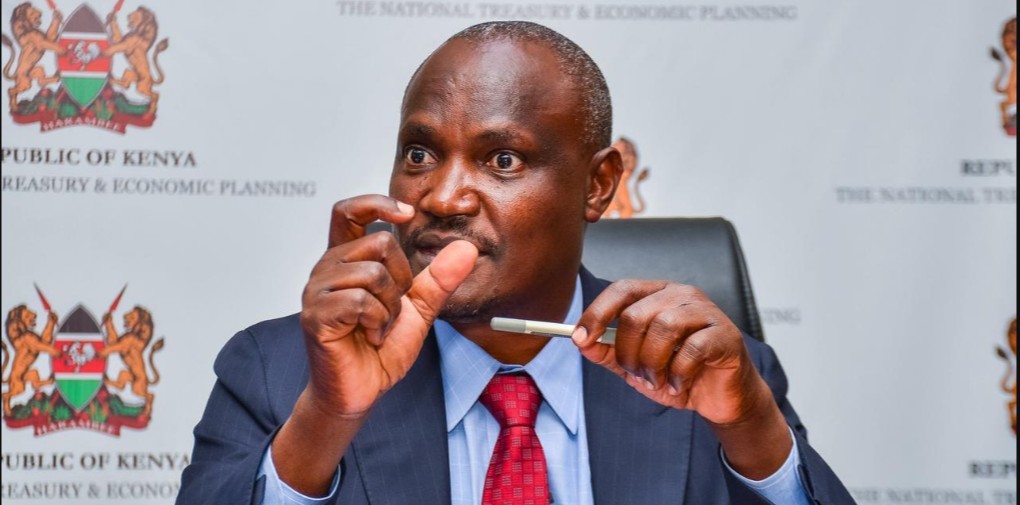
Treasury Cabinet Secretary John Mbadi has also defended plans to modernise tax collection through technology-driven systems aimed at reducing loopholes and improving accountability.
“We need to apply technology in collection of taxes,” Mbadi said recently. “Many businesses have shifted to digital systems, but we are still collecting taxes manually.”
Under the proposed framework, the Kenya Revenue Authority would pre-fill tax returns using data drawn from iTax, eTIMS, mobile money transactions and other verified records.
Supporters argue the system could simplify filing for salaried workers and small business owners while reducing errors. Critics, however, are expected to raise concerns over privacy, data handling and the growing reach of tax authorities into personal financial information.
Even so, early reactions from sections of the business community and economic analysts suggest the bill may represent a more cautious balancing act between raising revenue and protecting consumers.
Whether Parliament passes the bill in its current form remains to be seen, but for now, the absence of new taxes on essential goods has already offered many Kenyans a rare moment of relief.