
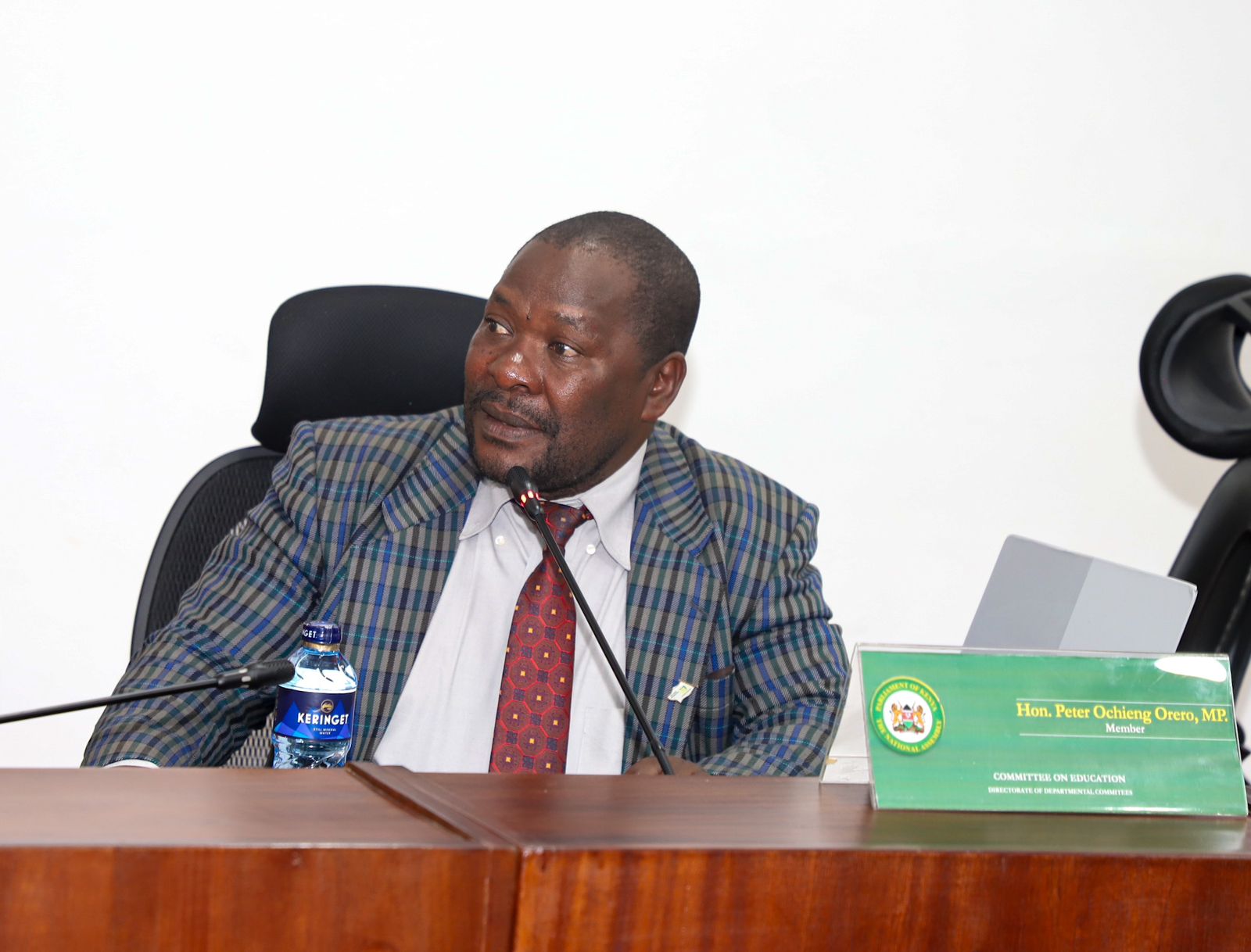
The Office of the Director of Public Prosecutions (ODPP) has defended its decision not to charge Kibra MP Peter Orero over a viral traffic incident that sparked widespread outrage online.
The case gained traction after a video shared by BBC journalist Larry Madowo showed a black SUV dangerously overtaking vehicles along Oloitoktok Road in Nairobi on October 9. The vehicle, linked to the MP, was seen forcing its way through traffic, prompting a heated exchange with the person filming before the driver drove off after allegedly hurling an insult.
In a statement released on Monday, October 13, the ODPP said it had reviewed all available evidence and found no indication that Orero instructed or encouraged his driver to commit the offence.
“The available evidence does not demonstrate that the driver acted on anyone’s instructions or orders,” the ODPP said.
The clarification came after growing criticism from motorists and members of the public, including Madowo, who questioned how only the driver was punished despite the MP being in the passenger seat at the time.
Madowo wrote on social media, “The Kibra MP’s driver, George Oduor, was fined Ksh100,000 after pleading guilty to obstruction and dangerous overtaking. Did he do that without permission from his boss, Peter Orero, who was sitting in the co-driver’s seat?”
Responding to such concerns, the ODPP stressed that prosecution decisions must be based on solid evidence rather than assumptions or public pressure.
“Prosecution decisions are guided strictly by the evidence gathered during investigations, and at this stage, there is no proof linking the MP to the alleged traffic offence,” the statement read.
According to court records, George Oduor, the driver in question, was charged with dangerous overtaking under Rule 73(4) of Kenya’s Traffic Rules, read together with Rule 99 of CAP 403. He pleaded guilty, offered a verbal apology in court, and was fined Ksh100,000.
Meanwhile, the National Police Service (NPS) condemned the incident, warning against misuse of VIP status to obstruct or endanger other motorists.
“Only emergency vehicles such as ambulances, the President’s and Deputy President’s motorcades, and in special cases, military convoys, are allowed to obstruct traffic,” said NPS spokesperson Michael Muchiri.
As the dust settles, the ODPP’s stance underscores a broader debate about accountability among public officials and how far the law should go when those in power are linked to misconduct — even indirectly.
