
Nairobi
Kenya’s High Court has stepped into the simmering rice controversy, issuing a temporary injunction against the government's plan to import 500,000 tonnes of duty-free rice. The restraining order, handed down Monday in Kerugoya, froze the scheme pending a full hearing on August 14.
Justice Edward Muriithi ruled in favour of the Farmers Party, which had challenged the plan under Gazette Notice No. 10353, issued July 28 by Treasury Secretary John Mbadi and Agriculture Secretary Mutahi Kagwe. The court deemed the petition urgent and halted the import to prevent possible harm to local producers.
“This application is certified urgent,” the ruling read, granting immediate protection until the case is heard. A penal notice warned that any breach of this order would attract legal consequences.
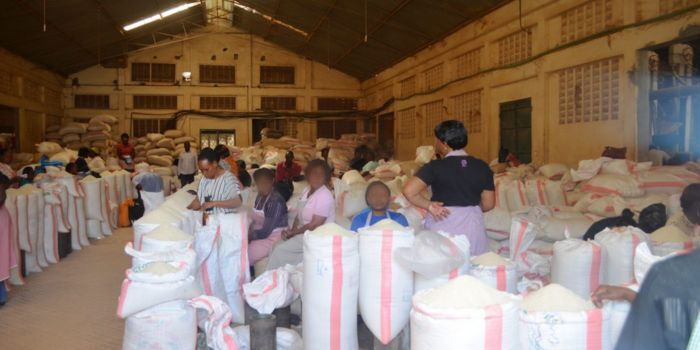
For farmers under the Mwea Rice Growers Multi-Purpose Cooperative Society (MRGM), the court’s intervention comes as a reprieve. They have already been struggling with a glut of unsold produce—worth KSh500 million in local stores—and warn that cheap imports risk devastating their livelihoods.
Meanwhile, the Agriculture and Food Authority (AFA) had earlier reassured the public that the duty-free imports would not displace local producers. AFA Director-General Bruno Linyiru said the surge in imports was a short-term fix for a national supply gap, noting that the Kenya National Trading Corporation (KNTC) remains a committed buyer of local rice.
Still, critics argue promises ring hollow. Kirinyaga Senator James Kamau Murango highlighted that many farmers continue to wait for promised payouts and fertilizers, while thousands of bags remain unsold in Mwea stores.
Government officials defend the import plan as necessary to ease food shortages and stabilise prices. Kenya’s rice output—just 20 per cent of consumption—is missing a gap that imports have long filled. Yet for farmers facing inventory build-up and unstable earnings, such assurances fall short.
As the court date approaches, all eyes in Kenya’s agricultural heartland are on this unfolding legal showdown—one that has implications not just for market prices, but for the future of rice farming across the country.