
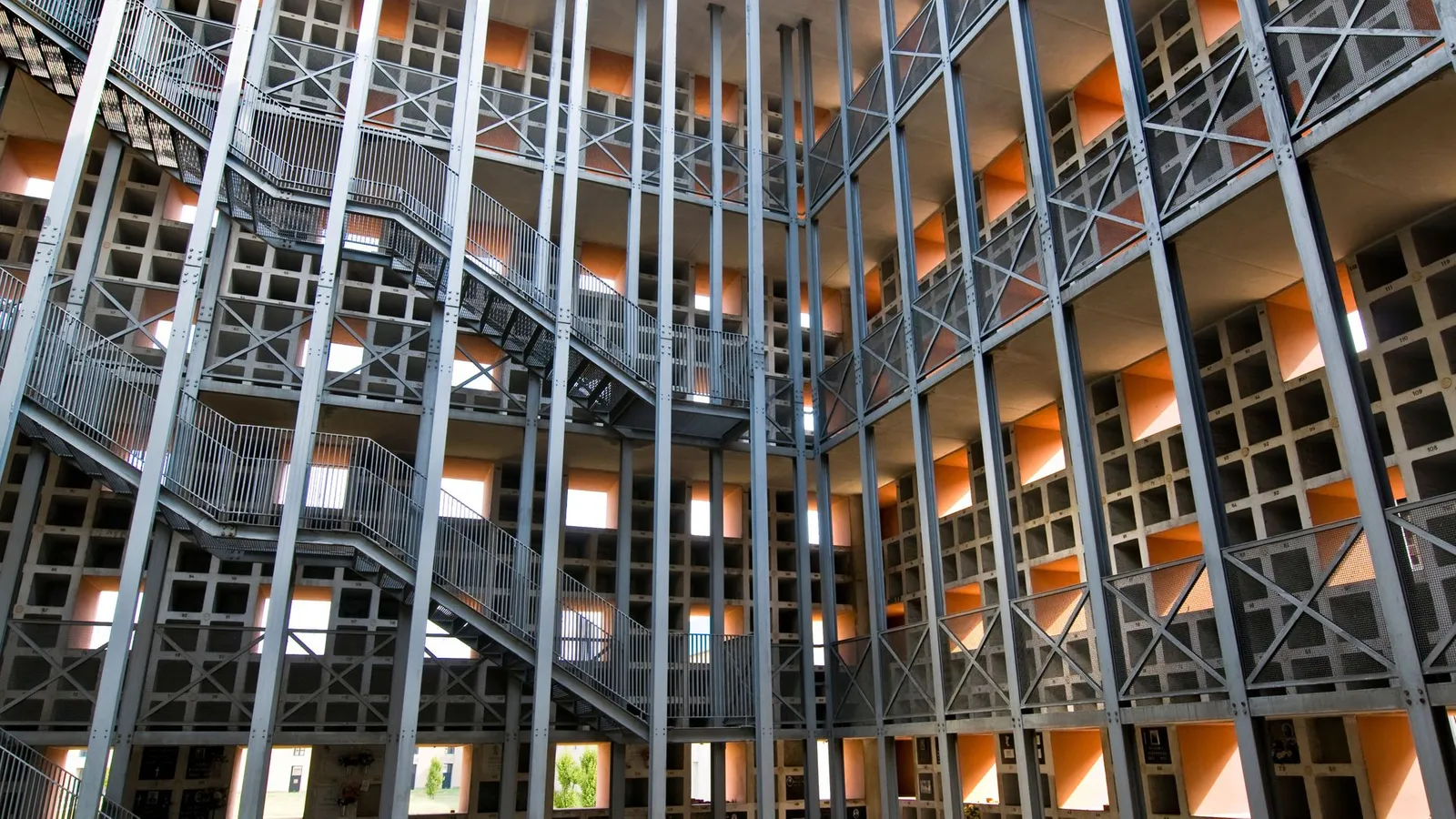
In the last 50,000 years, it’s been estimated that around 101 billion people have lived and died on planet Earth. Like it or not, everyone alive today – and that’s more than seven billion of us – is likely to join them within the next century. So what will we do with all the bodies? As human populations continue to expand and flood into crowded cities, traditional methods of handling bodies after death are coming unstuck. The issues range from a shortage of vultures in India – which has led the Zoroastrian community to abandon the ancient practice of sky burials in favour of dystopian “solar concentrators” instead – to the 40-year old corpses in Germany that remain mysteriously fresh after decades in the ground. In many European countries, it’s normal to re-use graves after 15-20 years. But recently some of their inhabitants have been refusing to rot.
Continue reading this story
Get unlimited access to premium reporting, analysis and exclusive stories from LiveNow Africa.
Already subscribed? Log in with the account used for your subscription.Related Stories
- Michael Kijana Wamalwa: the politician a younger Kenya may only know by name
- El Niño rains: Kenya’s river communities face rising flood risk as October approaches
- Ruto’s Communication Crisis: Why a Government That Says It Wants ‘One Voice’ Keeps Losing the Information Battle
Category: Features
Related Explainer: Kenya’s inflation holds near 30-month high as transport and food costs squeeze households
 Facebook
 Twitter / X
 WhatsApp
 LinkedIn
 Telegram
 Reddit