
For many women, severe period pain is still treated as something they are simply expected to endure. But for those living with endometriosis, the pain can be a sign of a chronic disease that affects far more than menstruation disrupting work, education, relationships, fertility and mental health.
The World Health Organization estimates that endometriosis affects about one in 10 women of reproductive age globally, or roughly 190 million people. It occurs when tissue similar to the lining of the uterus grows outside the uterus, causing inflammation and scar tissue.
Symptoms can include severe menstrual pain, heavy bleeding, chronic pelvic pain, painful sex, bowel or urinary problems, nausea and infertility.
In Kenya, however, the true scale of the problem remains difficult to establish. A 2024 statement to Parliament from the Ministry of Health put the prevalence at 4.6 per cent, but the country's own lawmakers have raised concerns about gaps in diagnosis, data and specialist care.


Parliament was told that Kenya had about 700 gynaecologists, but only five trained laparoscopic gynaecological surgeons, with specialised endometriosis treatment available at two Level 6 public facilities, Kenyatta National Hospital and Moi Teaching and Referral Hospital.
The government said it planned to establish specialised centres of excellence, train more surgeons, expand equipment and improve access to medicines through the then Social Health Insurance Fund.
For women outside Nairobi and other major referral centres, the challenge can be even greater. Research involving Kenyan women living with endometriosis found recurring experiences of stigma, disruption to quality of life, difficulty accessing acceptable healthcare and reliance on personal networks and support groups to cope with the disease.
The researchers called for better public awareness and healthcare pathways that are trained, geographically accessible and financially affordable. More recent research on sub-Saharan Africa points to a wider problem: misconceptions about the disease, menstrual taboos, limited clinical awareness and the cost and scarcity of specialised diagnostic services all contribute to underdiagnosis and undertreatment.
Natalie Githinji's very public battle
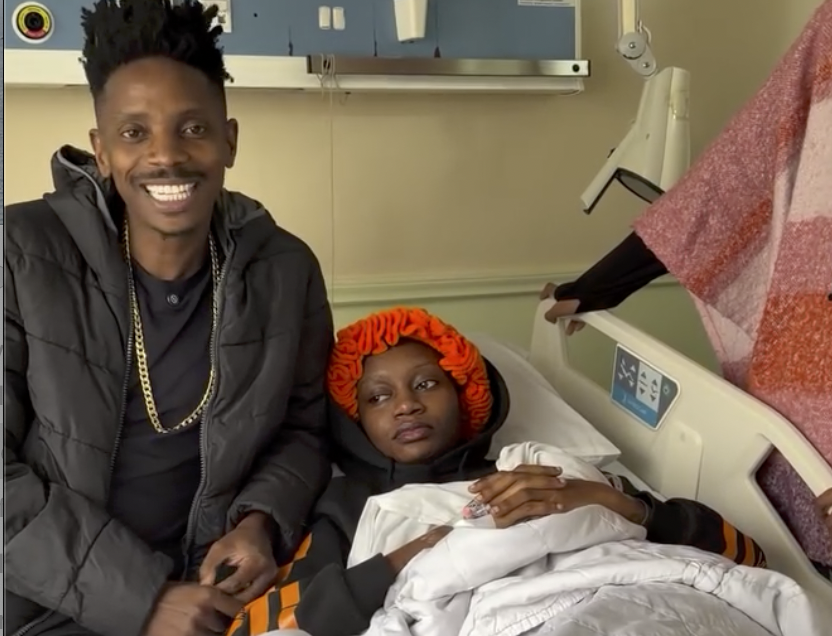
That national problem has acquired a very personal face in recent weeks through media personality Natalie Githinji, who has spoken openly about living with endometriosis for 17 years.
In July, she called for comprehensive endometriosis care to be included under the Social Health Authority, saying the cost of consultations, surgery, medication and continuing treatment was placing a heavy burden on patients.
In August, Githinji revealed that she had been diagnosed with stage 4 endometriosis and was recovering after surgery, including a period in intensive care. She subsequently appealed for financial assistance to help meet the costs of treatment and invited businesses to support her through commercial partnerships.
Her experience has helped expose a difficult contradiction: a disease that affects millions globally can remain poorly understood and financially devastating for individual patients.
The debate has now moved beyond social media. Nominated Senator Karen Nyamu has called for a review of how SHA caters for endometriosis, arguing that the health system needs better data, more specialist capacity and financing that reflects the real cost of care.
The issue is also not new in Parliament. In 2024, MPs expressed concern that the country's specialist capacity was inadequate and highlighted the high cost of surgery, with lawmakers citing figures ranging from Sh350,000 to Sh1 million for some procedures.
From celebrity story to national conversation
It is against this backdrop that comedian Eric Omondi is seeking to turn the growing attention into a wider public campaign. In a social-media post shared by Omondi, he said an event planned for 27 September 2027 would celebrate "all the soldiers of Endo" while unveiling Natalie Githinji as "Major General" of the campaign, urging the public to keep the conversation going.
The language is deliberately powerful. Endometriosis is often described as an invisible illness because a woman can look perfectly well while living with debilitating pain.
By framing women living with the disease as "soldiers", Omondi's campaign appears designed to shift the public conversation away from sympathy for individual celebrities towards recognition of the thousands of women whose suffering may never make the headlines.
But awareness alone will not solve Kenya's endometriosis problem. The bigger questions are whether women can obtain an early diagnosis close to where they live, whether trained specialists and appropriate equipment are available outside the country's main referral hospitals, and whether families can afford the treatment when they finally receive a diagnosis.
WHO notes that diagnosis can take four to 12 years on average globally, while treatment can involve medicines, hormonal therapies and, in some cases, surgery; there is currently no definitive cure.
For Kenya's younger generation, that may be the most important lesson from the current conversation: extreme period pain should not automatically be dismissed as something women must endure.
The challenge is to turn stories such as Natalie's into a health-system response, better information in schools and communities, earlier recognition in primary care, reliable national data, specialist services across the country and financing that does not leave patients fundraising for treatment.
The campaign led by Omondi may attract attention because of its celebrity appeal. But the test of its impact will be whether, after the hashtags fade, a Kenyan woman in Kisumu, Kitale, Mombasa, Garissa or a rural village can say she has severe menstrual pain and be taken seriously — and get the care she needs.
Editorial note: The September 27, 2027 event date and Omondi's "Major General" announcement are based on the social-media statement you supplied; I could not independently verify the original post through the sources returned in my search.
The health-system figures above are from Kenyan parliamentary records, while the global medical information is from WHO and peer-reviewed research.
Related Stories
- Kenya Steps Up Ebola Surveillance as DRC Outbreak Surges
- Ozempic craze: Why Kenyan doctors want patients to think beyond the scale
- 8 Practical Tips to Stay Warm During Nairobi’s Cold Season
Category: Health
 Facebook
 Twitter / X
 WhatsApp
 LinkedIn
 Telegram
 Reddit