
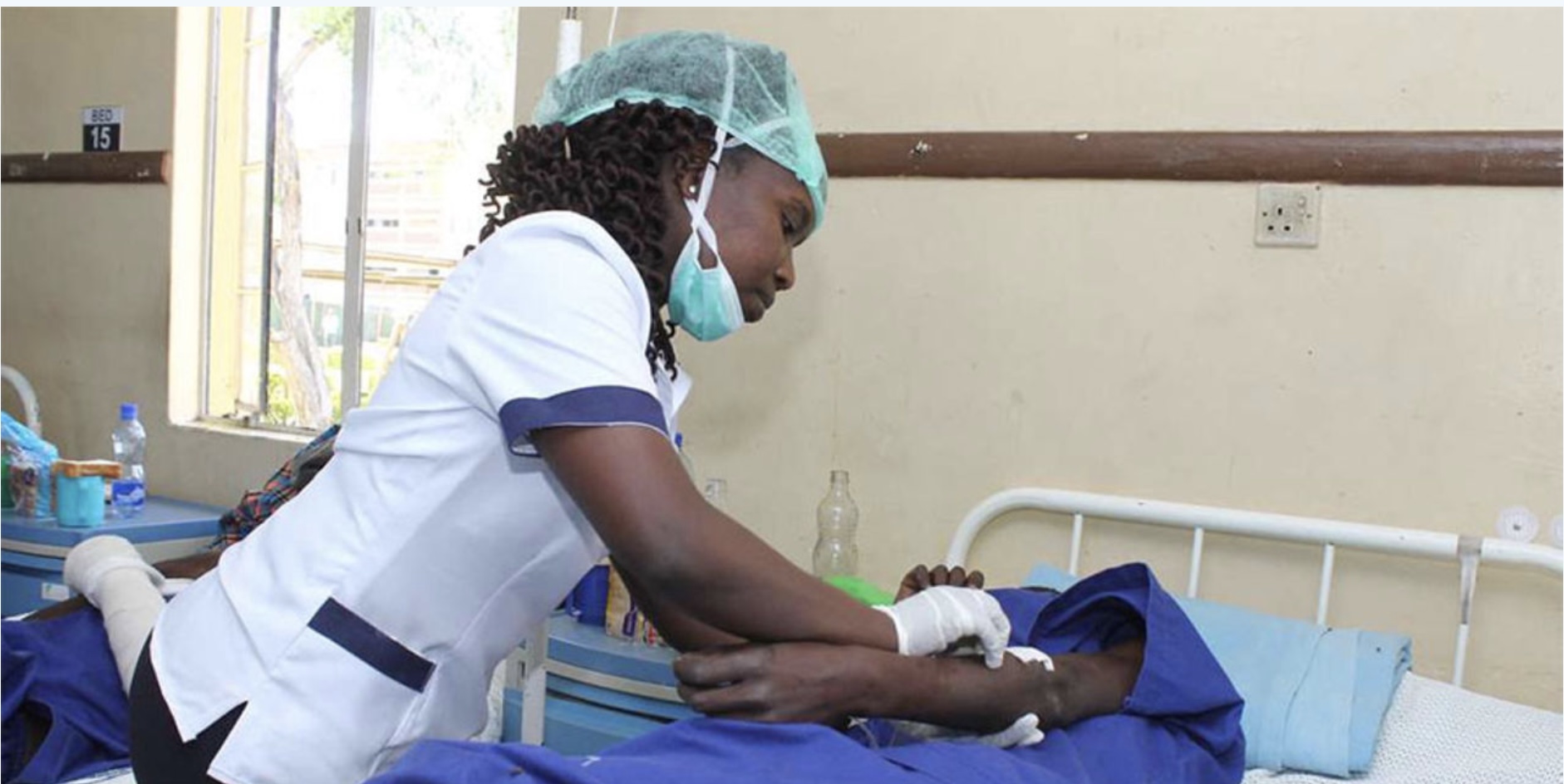
Kenya’s prolonged nurses’ strike is increasingly becoming a public health crisis, with health professionals warning that disrupted services in public hospitals are putting mothers, newborns and patients requiring specialised treatment at risk.
The nationwide industrial action, which began on July 29, has stretched beyond five weeks as the Kenya National Union of Nurses and Midwives (KNUNM) maintains that its members will not return to work until key grievances are resolved.
Figures presented by health professional associations indicate that at least 83 maternal deaths and 513 perinatal deaths were recorded during August and the first days of September as the strike disrupted services across the country.
However, the figures should not automatically be interpreted to mean that all the deaths were directly caused by the strike. The Kenya National Commission on Human Rights (KNCHR) has called for an independent investigation to establish the circumstances of the reported deaths and compare mortality during the strike with previous periods.

Between September 1 and 3 alone, health professionals reported eight maternal deaths, 16 neonatal deaths and 55 perinatal deaths nationally.
They also reported 22 maternal deaths, 44 neonatal deaths and 130 perinatal deaths in the preceding week, while August recorded 75 maternal and 458 perinatal deaths.
The data has intensified pressure on the national government, county governments, the Salaries and Remuneration Commission (SRC) and nurses' representatives to find a solution.
Why are nurses on strike?
At the centre of the dispute is the implementation of the 2017 Collective Bargaining Agreement between nurses and their employers.
The union is also pursuing other employment-related grievances, including career progression, delayed promotions, permanent and pensionable employment for some Universal Health Coverage workers and implementation of previous agreements.
Some progress has been reported in negotiations.
KNUNM Secretary-General Seth Panyako said counties had begun addressing the employment status of UHC staff, including issuing permanent and pensionable appointment letters.
But the union says the 2017 CBA remains the biggest unresolved issue.
Panyako said earlier this week that despite discussions with the Council of Governors, there was still no agreement on the CBA and nurses would therefore remain on strike.
Why has SRC become central to the dispute?
Nurses have turned their attention to the Salaries and Remuneration Commission, demanding what the union describes as a letter of no objection that could help clear the way for implementation of outstanding agreements.
Nurses demonstrated outside SRC offices this week as pressure mounted for a settlement.
The union argues that SRC and the Council of Governors are critical to breaking the deadlock.
How is the strike affecting hospitals?
The consequences are being felt particularly strongly in public health facilities.
Health professionals say some hospitals are unable to admit patients normally, while pressure is increasing on higher-level referral facilities.
Patients requiring regular specialised treatment, including dialysis, are among those considered particularly vulnerable.
Maternity services have also emerged as a major concern.
Midwives Association of Kenya Vice-President Dr Eunice Atsali warned that disruption in hospitals was driving some expectant mothers back to delivering outside formal health facilities.
This creates another problem: deaths or complications occurring outside hospitals may not immediately appear in official health data.
Some health facilities have attempted to maintain essential services by hiring nurses on a temporary or locum basis.
What has KNCHR said?
KNCHR has described the situation as a national public health and human rights crisis.
The commission says prolonged disruption of essential healthcare threatens constitutional rights to health, life and emergency medical treatment.
It has called for an investigation into the reported deaths rather than assuming a direct causal relationship between every death and the strike.
KNCHR wants the Kenya Medical Practitioners and Dentists Council, Ministry of Health and county health authorities to establish the circumstances surrounding the deaths and make their findings public.
The commission has also called for uninterrupted maternity, neonatal, emergency, intensive care, dialysis, oncology, trauma, ambulance and referral services while negotiations continue.
When will the nurses’ strike end?
There was no confirmed end date for the nationwide strike as of Saturday, September 5.
The union says nurses are prepared to return to work once outstanding issues are resolved but insists that the 2017 CBA remains a major condition for ending the industrial action.
The Kenya Medical Association has meanwhile called for permanent dialogue mechanisms between health workers and government to prevent labour disputes from repeatedly escalating into nationwide strikes.
With negotiations yet to produce a comprehensive settlement, patients remain caught between nurses demanding implementation of employment agreements and governments facing pressure to restore services.
Frequently Asked Questions
Are nurses still on strike in Kenya?
Yes. The nationwide nurses’ strike that began on July 29, 2026 remained unresolved going into the first weekend of September.
Why are Kenyan nurses striking?
Their key demands include implementation of the 2017 CBA, career progression and promotions, resolution of employment issues affecting UHC workers and implementation of other outstanding agreements.
Have 83 mothers died because of the nurses’ strike?
At least 83 maternal deaths were reported during the period covered by health professionals' data. This does not establish that all 83 deaths were caused by the strike. KNCHR has called for independent verification and comparison with previous mortality levels.
How many babies have died during the strike?
Health professionals reported 513 perinatal deaths during August and the first three days of September. Separate neonatal figures have also been reported for shorter periods. Perinatal and neonatal deaths are different statistical categories and should not be treated as interchangeable.
Which patients are most affected?
Mothers and newborns, patients requiring emergency admission, dialysis and other specialised treatment, and people dependent on public hospitals are among those considered particularly vulnerable.
What is the government doing to end the strike?
Negotiations have involved the Council of Governors, SRC and other government institutions. Progress has been reported on some employment issues, but the 2017 CBA remains unresolved.
When will nurses return to work?
No firm return-to-work date has been announced. The union says the strike will continue until its outstanding demands are satisfactorily addressed.
You may also like
Category: News
Related Video: Dolly Parton’s Family Announces Her Passing in Emotional Tribute
Related Explainer: EXPLAINER: Why Kenya’s aviation workers are striking — and what travellers need to know
 Facebook
 Twitter / X
 WhatsApp
 LinkedIn
 Telegram
 Reddit