
Good morning. Kenya wakes up to mounting pressure on hospitals and food supplies, while President William Ruto’s order for Tata Chemicals to leave the country raises questions over jobs, exports and investment. Internationally, a fresh diplomatic push to end the Ukraine war is unfolding against renewed Russian attacks.
Here are five of the biggest stories to start your Saturday.
1. Kenya’s nurses’ strike becomes a human rights crisis as deaths mount
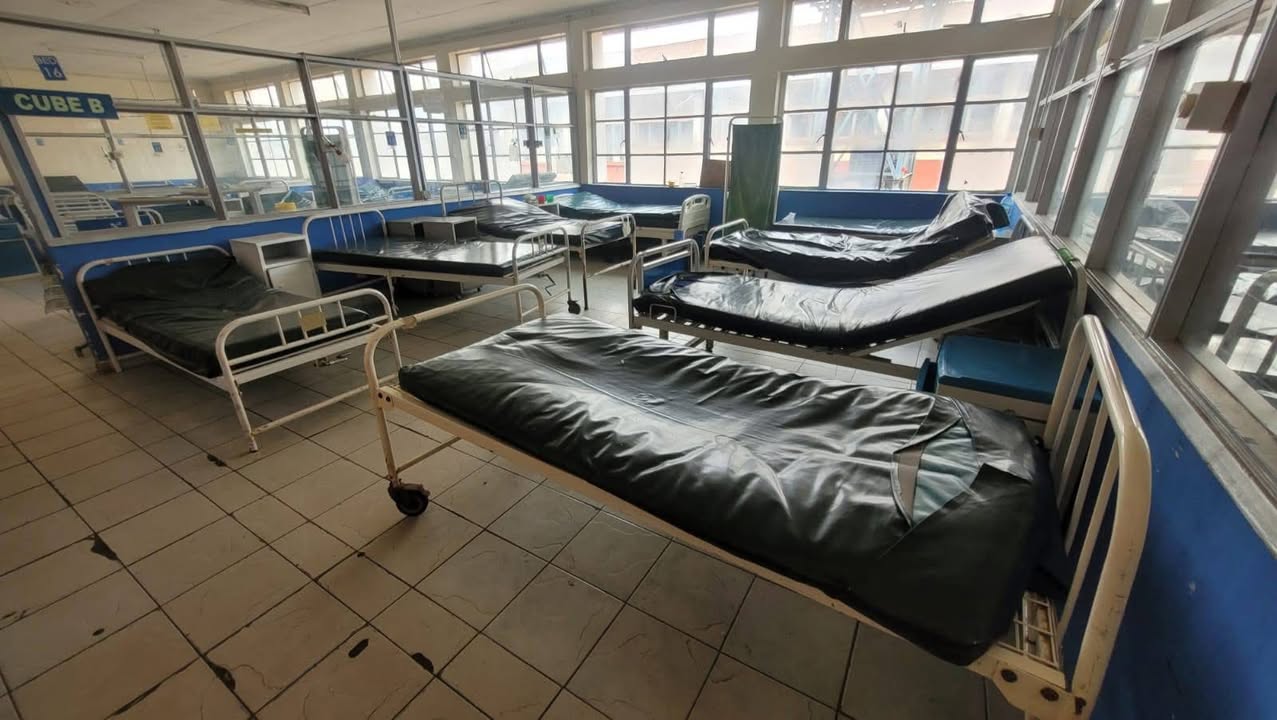
Pressure is growing on the government to end the prolonged nurses’ strike, which has now disrupted public hospitals for about 40 days.
The Kenya National Commission on Human Rights has described the situation as a human rights crisis and called for urgent government intervention. Reports indicate dozens of maternal, neonatal and perinatal deaths have been recorded during the strike period, although attributing individual deaths directly to the industrial action requires caution.

The dispute is attracting additional scrutiny after the government reached a return-to-work agreement with striking aviation workers within two days.
Why it matters: The longer the dispute continues, the greater the risk to patients who depend on public hospitals, particularly mothers and newborns.
2. Ruto’s Tata Chemicals exit order puts jobs and billions in exports in focus
President William Ruto has ordered Indian-owned Tata Chemicals to leave Kenya, accusing the company of extracting soda ash from Lake Magadi without delivering sufficient local industrial development.
Tata says it is compliant with Kenyan regulations and remains open to engagement with the government. Its operations had already been suspended in July pending a compliance review.
The stakes are significant. Kenya exported about 254,779 tonnes of soda ash worth $56.9 million in the year to July 2025.
Ruto says a replacement investor should establish a glass factory rather than simply exporting the raw material.
Why it matters: The government now has to show that its push for local value addition can protect existing jobs and export earnings while attracting a new investor.
3. Kenya could need nearly five million tonnes of maize and wheat imports
A worsening drought is developing into a major food-security problem.
Kenya may need to import nearly five million tonnes of maize and wheat after poor rainfall damaged crops in major producing regions.
The US Department of Agriculture estimates a maize shortage of about 2.2 million tonnes, potentially requiring record maize imports of 2.3 million tonnes. Wheat imports could reach about 2.6 million tonnes.
Kenya's food and beverage import bill had already risen 20.6% to KSh169 billion during the first half of 2026.
Why it matters: Large-scale imports may protect supplies, but drought-related shortages are already putting pressure on household food prices.
4. Milk shortage could last months as drought hits production
Kenyans may have to contend with reduced milk supplies for longer than initially expected.
The government says the country is experiencing supply constraints rather than a complete shortage, blaming dry and cold conditions that have reduced pasture and fodder.
Formal milk deliveries to processors dropped from 84.4 million litres in June to 81.3 million litres in July, a 3.7% fall, with further deterioration indicated in August.
The government expects conditions to improve when the October-December rains replenish pasture and water supplies.
Why it matters: Milk is only one symptom of a wider agricultural problem. The same drought is affecting maize, wheat and other food production, raising the risk of broader food-price pressure.
5. New Ukraine peace push begins under fire
A new US attempt to broker an end to the Russia-Ukraine war is taking shape, with President Donald Trump sending envoys Steve Witkoff and Jared Kushner for talks involving Moscow and Kyiv.
But the diplomatic effort comes amid escalating attacks.
A Russian drone struck the headquarters of Ukraine's SBU security service in Kyiv on Friday, while Ukraine has continued drone attacks on Russian targets. Washington has been seeking security assurances for its negotiators during the proposed visits.
Major differences remain: Moscow continues to demand Ukrainian territorial concessions and abandonment of NATO ambitions, conditions Kyiv rejects.
Why it matters: The diplomatic mission could provide another opening for negotiations, but intensifying attacks underline just how far apart Russia and Ukraine remain.
LiveNow Africa Morning Brief: The common thread this Saturday is pressure on Kenya's hospitals, food supplies and industrial policy, and internationally on efforts to prevent major conflicts from escalating further.
You may also like
Category: News
Related Video: Dolly Parton’s Family Announces Her Passing in Emotional Tribute
Related Explainer: EXPLAINER: Why Kenya’s aviation workers are striking — and what travellers need to know
 Facebook
 Twitter / X
 WhatsApp
 LinkedIn
 Telegram
 Reddit