
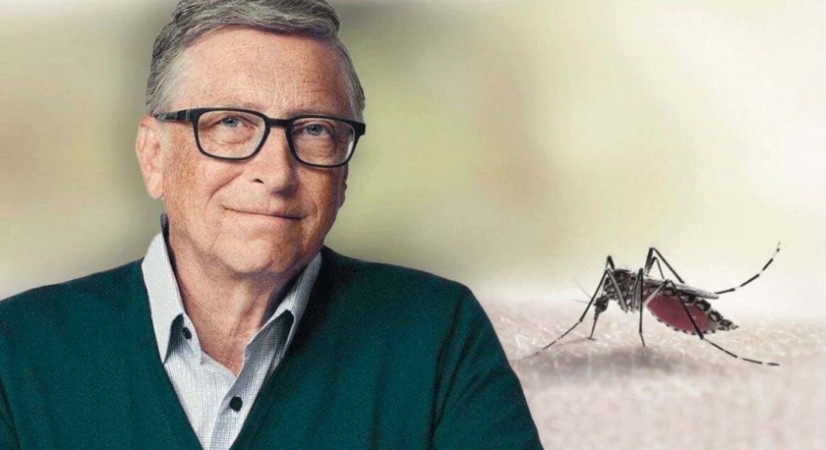
The Bill Gates Foundation Africa has moved to dispel claims spreading online that it is releasing lab-grown mosquitoes in Kenya.
In a statement shared on X on Monday, February 9, the foundation said the allegations were false and had no basis in fact. It stressed that it does not run laboratories that release mosquitoes, nor does it carry out vector-control work in Nairobi or anywhere else in the country.
“We are aware of social media posts claiming that we release mosquitoes in Kenya. This claim is false,” the foundation said.
The organisation explained that malaria prevention in Kenya is led by local authorities and research institutions, operating under national laws and public health rules. Its own role, it said, is limited to funding and technical support, guided by Kenyan priorities.
“All our work in Kenya is aligned with Kenyan-led priorities and done transparently with governments, researchers and public health partners,” the statement added. “The foundation does not release mosquitoes or operate laboratories that do so.”
The clarification follows a wave of online posts that suggested the foundation was behind secret mosquito releases, fuelling public anxiety and distrust. No evidence has been presented to support the claims.
Health experts have long warned that misinformation around malaria control can undermine public confidence in proven interventions, such as treated bed nets and indoor spraying, which are overseen by Kenyan health agencies.
The controversy comes against the backdrop of heightened scrutiny of foreign-funded health projects across Africa. Last month, the foundation announced a major health initiative, in partnership with OpenAI, aimed at strengthening healthcare delivery on the continent.
According to reports by Business Insider Africa, the programme will begin in Rwanda, where 1,000 primary healthcare clinics are expected to benefit by 2028. The initiative focuses on areas such as disease surveillance, clinical decision support and easing administrative workloads.
Bill Gates has argued that new digital tools could help close gaps in overstretched health systems. But the announcement also drew scepticism online, with critics questioning foreign influence in sensitive health sectors.
The foundation acknowledged the concerns and said clearer communication was needed.
For now, it has reiterated its position. It does not release mosquitoes. It does not run such laboratories. And malaria control in Kenya remains firmly in the hands of Kenyan institutions.