
Kenya has officially added a new unit to its policing structure, with the launch of the National Government Administration Police Unit (NGAPU), now formally recognised in law.
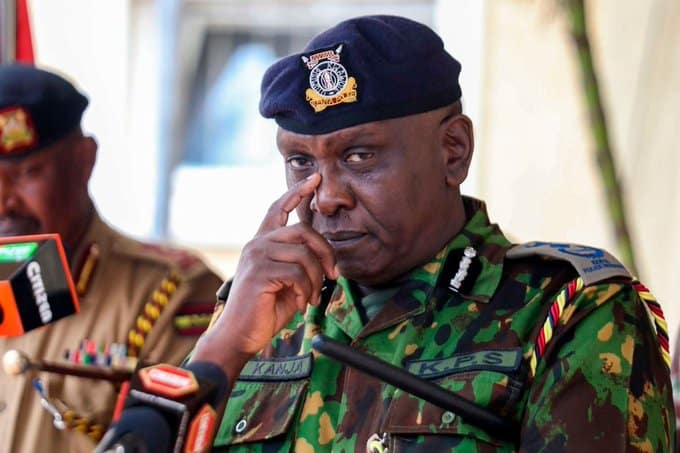
The unit was gazetted on December 24, 2025, by Inspector General of Police Douglas Kanja, marking its entry into the country’s law enforcement framework. It is established under Section 10(h) of the National Police Service Act.
NGAPU’s core role is to support national government administrative officers, including chiefs and their deputies, as they carry out official duties across the country.
According to the gazette notice, the unit will provide security to government officers, assist in enforcing national laws and policies, and support lawful operations at both local and national levels.
It will also be deployed during public events and community gatherings, working alongside other security agencies to maintain order.
“The unit shall render support to national government administrative officers in the performance of their lawful duties and responsibilities,” the notice states, adding that it will also offer protective security within administrative areas.
Beyond routine security, NGAPU officers are expected to act as first responders during criminal incidents. Where necessary, they will apprehend suspects and secure evidence before handing matters over to the relevant police stations.
The mandate also extends to peacebuilding. Officers will support conflict management efforts led by administrative officials, particularly in areas prone to local disputes.
Coordination is a key feature of the new unit. NGAPU will work closely with other law enforcement agencies in operations that require a joint response, especially during national functions or sensitive government activities.
The command structure places the unit under the Administration Police Service. Its Commandant reports directly to the Deputy Inspector General of the Administration Police.
“The Commandant shall be responsible for advising and taking necessary steps on all matters requiring police assistance to national government administrative officers,” the gazette reads.
At the grassroots, officers will be deployed at regional, county, sub-county and ward levels. They are required to respond promptly when administrative officers request support.
In one clear directive, the notice states that assistance for national functions or lawful activities must be provided “without undue delay or reservation”.
The Inspector General has also set strict accountability rules. All arrests, recoveries and operations must be recorded in the Occurrence Book and handed over to the officer in charge of the relevant police station.
Discipline within NGAPU will follow existing police standing orders and constitutional requirements on fair administrative action. Uniforms, equipment and allowances will be guided by existing National Police Service regulations.
Before becoming fully operational, the unit’s commandant must submit standard operating procedures to the Inspector General for approval.
The launch comes amid continued debate on policing roles and coordination between security agencies and government administrators. Supporters argue the unit will improve response times and coordination, while critics say its operations will need close oversight to avoid overlap and abuse.
For now, the government says NGAPU is intended to strengthen service delivery and ensure administrative officers can carry out their duties safely and lawfully.

 Facebook
 Twitter / X
 WhatsApp
 LinkedIn
 Telegram
 Reddit