
Nairobi – 7 October 2025
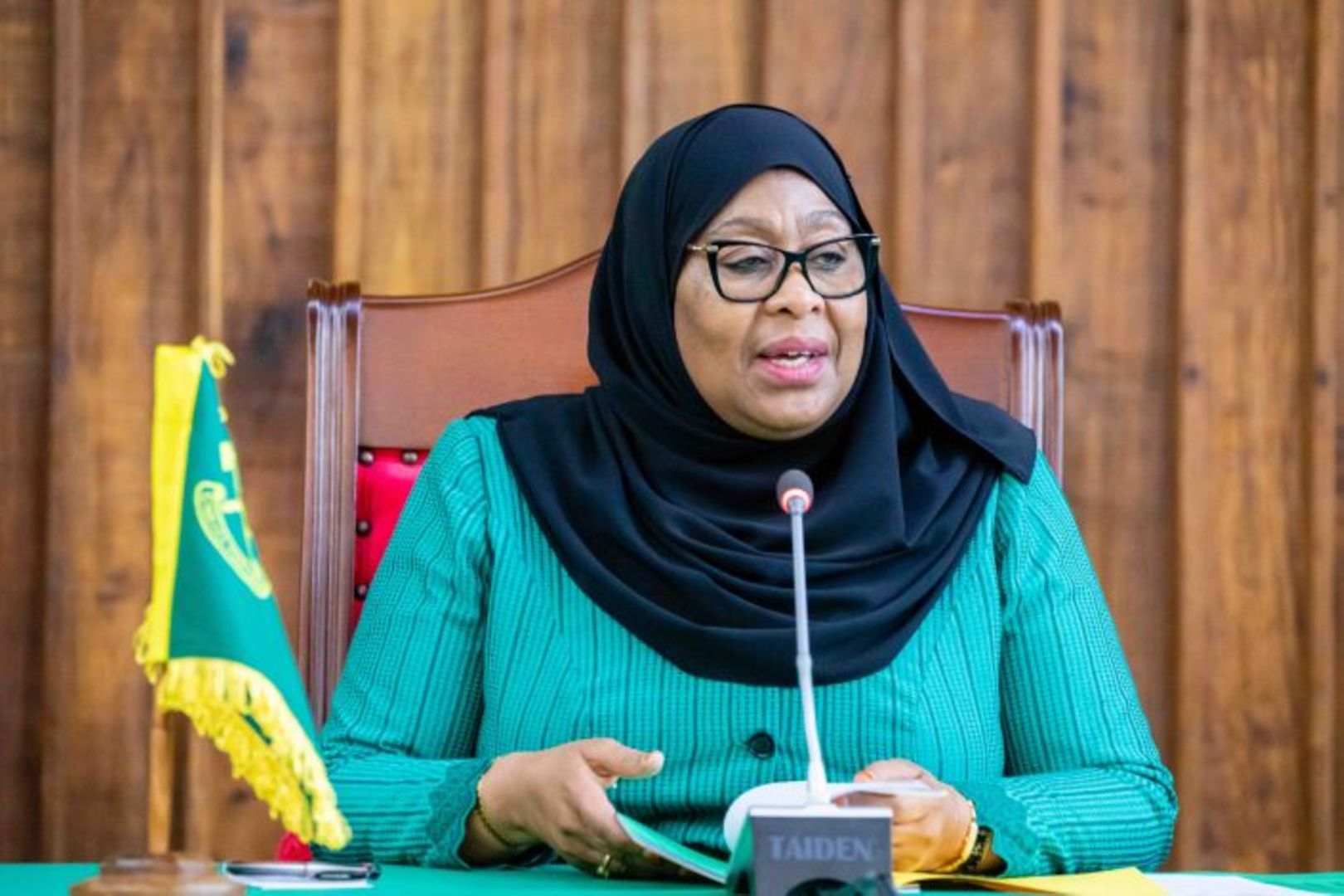
Kenyan diplomat Ambassador Koki Muli has sharply criticised Tanzanian President Samia Suluhu Hassan for what she described as a “threatening tone” during her swearing-in ceremony following a controversial election that regional observers say fell short of democratic standards.
Speaking on a local television interview on Wednesday, 5 November, Muli said President Suluhu missed an opportunity to unite the country after a tense and violent vote.
“Winners should win with humility, and losers should keep their dignity,” she said. “As Mama wa Taifa, she should have extended grace to those who opposed her instead of using the swearing-in platform to issue threats. It was unexpected.”
Concerns Over Election Integrity
President Suluhu, who secured what official results claim to be over 97 percent of the vote, was congratulated by her 16 competitors — a gesture Muli found “astonishing.”
“I was shocked that she could thank her competitors after such an outcome,” Muli said. “The SADC already reported ballot stuffing and a low voter turnout. You cannot amass 98 percent from such a process.”
Her comments come as regional and international scrutiny grows over the Tanzanian election, which the Southern African Development Community (SADC) said did not meet its own principles for free and fair polls.
SADC’s Damning Report
In its preliminary report released on Monday, 3 November, the SADC Electoral Observation Mission (SEOM) noted widespread irregularities, voter intimidation, and restrictions on expression.
“In most areas, voters could not freely express their democratic will,” the mission stated. “Overall, the 2025 General Election in the United Republic of Tanzania fell short of the requirements of the SADC Principles and Guidelines Governing Democratic Elections.”
The bloc also raised alarm over the militarisation of polling centres, heavy-handed policing, and censorship of online platforms, which it said undermined public trust in the process.
Rising Tension and Political Fallout
The election has sparked violent protests across parts of Tanzania, leaving several people dead and hundreds injured, according to early humanitarian reports. Human rights groups have urged the government to exercise restraint and open dialogue with the opposition.
Despite the mounting criticism, Suluhu has struck a defiant tone, vowing to maintain “law and order” and warning political agitators of “serious consequences.”
Analysts say the president’s second term — set to run until 2030 — will be defined by how she balances authority with reconciliation in a country deeply divided by mistrust.
“Her next steps will determine whether Tanzania stabilises or slides further into repression,” Muli warned. “Leadership is about grace, not intimidation.”
 Facebook
 Twitter / X
 WhatsApp
 LinkedIn
 Telegram
 Reddit