
Nairobi
Kenya is in mourning. In just seven days, air, rail, and road have become stages for tragedy. More than 40 lives were lost in multiple accidents—yet Transport Cabinet Secretary Davis Chirchir has been conspicuously absent, offering neither comfort nor direction.
A Flood of Tragedy
-
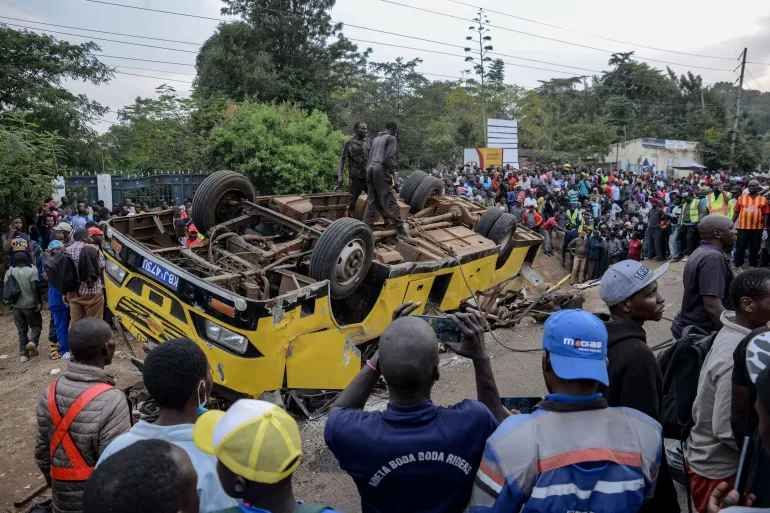
In Kisumu, a bus carrying mourners crashed on the Kakamega highway, killing 26 and leaving 31 critically injured.
-
A head-on collision between a matatu and a lorry on the Nairobi-Namanga road claimed eight lives.
-
In Naivasha, a train struck a Kenya Pipeline Company bus, dragging it over 200 metres and leaving nine dead.
-
A medical air ambulance crashed into a Nairobi home, killing six.
-
Along the Kibwezi–Kitui road, four more lives were lost in a fatal collision.
-
And near Maai Mahiu, a trailer with failed brakes ploughed into several vehicles, including a bus—confirming death for two.
Residents blame unmarked roads, dodgy infrastructure, and recurring accidents at notorious blackspots as authorities appear slow to act.
These incidents have magnified fears about vehicle safety, unfit infrastructure, and driver error—long-cited factors in Kenya's rising road toll.
Silence from the Transport Desk
Despite the tragedy, CS Davis Chirchir has issued no statement—not a word of condolence, not a promise of investigation, not reassurance for grieving families. His silence has been called “insensitive” and “unusual,” especially for the official overseeing transport nationwide.
Kenyans have taken to social media to express frustration and grief. One post read, "The person meant to lead on road safety has vanished." Another asked, "Where is he now—when every minute counts?"
Familiar Rhetoric, Empty Promises
In the past, significant crashes prompted public statements and pledges of reform. Yet now, despite mounting carnage, only silence persists. Citizens are left wondering whether the empty reassurances of policy reform after each tragedy will again follow.
A Grieving Nation Seeks Answers
As grieving families struggle to bury their loved ones, the lack of leadership feels like a second blow. For Kenya to honour its dead, it must also protect its living.
For Chirchir, speaking is not a choice—it is duty. The nation waits for his voice.