
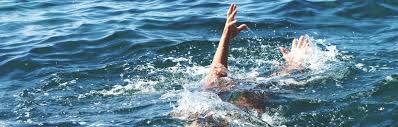
The water looks calm. The day may be bright. But every few minutes, somewhere in the world, someone silently slips beneath the surface — and does not return.
As the world marks Drowning Prevention Day, the World Health Organisation (WHO) is sounding the alarm over what it calls an “entirely preventable global tragedy.” Each year, over 300,000 people lose their lives to drowning, many of them children, young adults, or those from poor and marginalised communities.
In Kenya alone, drowning claims an estimated 1,200 lives every year, according to WHO figures. Many of these deaths go unreported. But the loss is deeply felt — families shattered, communities stunned, and futures cut short.
A Hidden Epidemic
"Drowning is one of the leading causes of death globally among children aged one to 24," WHO said in a statement on Thursday. “Males are at least twice as likely to drown as females,” it added, citing recent global studies.
The statistics paint a bleak picture. Drowning disproportionately affects low-income countries, where the risk is over three times higher than in wealthier nations. Factors such as poverty, inequality, lack of safety infrastructure, and proximity to open water all heighten the danger.
Migration is another flashpoint. WHO notes that migrant communities — especially those crossing treacherous routes like the Mediterranean — face increased risk due to overcrowded boats and unsafe journeys.
What Puts Lives at Risk
The danger is rarely due to one cause. Instead, it's a web of factors:
-
Lack of swimming ability or safety education
-
Children left unsupervised near water
-
Flash floods and unpredictable weather
-
Recreational activities in unguarded areas
-
Overcrowded, unregulated boats
-
Unsafe fishing practices in rural areas
Even within urban areas, swimming pools and roadside ditches can become death traps, especially for children.
Seconds to Drown, Minutes to Die
The Emergency Medicine Kenya Foundation has warned that drowning can happen faster than many realise. “A child will typically struggle for only 20 seconds before submersion. An adult may last about 60 seconds,” the organisation explains.
Once submerged, unconsciousness can occur within four to six minutes — often before help arrives. That short window can mean the difference between life and death.
Solutions Do Exist — But Not Everywhere
Despite the grim numbers, some countries have made progress. WHO credits a mix of community education, national safety strategies, weather warning systems, and search and rescue services for saving lives.
In Bangladesh, for instance, daily preschool care has helped keep toddlers away from open water. Elsewhere, physical barriers near rivers and ponds and public awareness campaigns have lowered death rates.
But many regions, including parts of Kenya, still lag behind. Community-driven safety efforts remain underfunded, and drownings continue to rise during rainy seasons or in fishing communities.
A Call to Action
This year’s Drowning Prevention Day is not just about remembrance — it’s a call for action. “Countries can save more lives by promoting policy dialogue, increasing research, and raising public awareness,” WHO urged.
In Kenya, public health advocates are urging schools to incorporate water safety into early childhood education and calling for stronger regulations around fishing and public swimming areas.
“We know what works,” said a spokesperson for WHO. “But we need governments, communities, and individuals to act — before more lives are lost beneath the surface.”