In Kenya, contraception tends to be discussed in hushed tones - mostly because of cultural and religious beliefs in what is a patriarchal society.
Some men do not allow their wives to use contraceptives while some religious sects are against it. The Kavonokya Sect in eastern Kenya, for example, rejects all modern medicine as it believes the Bible only recommends prayer as an intervention.
For population and development expert Dr Josephine Kibaru, a grassroots approach would be best to gain acceptance for modern family planning methods.
"We need community health volunteers to be more empowered with information because a woman is likely to trust a neighbour and friend more than a healthcare worker who has been posted at the dispensary," Dr Kibaru told the BBC.
She says there is a chasm of ignorance about the birth control methods available, along with many myths and misconceptions that need to be dispelled.
A combination of both is probably what is required as gynaecologist Brigid Monda says women should consult healthcare providers to be able to find a family planning method that works for them.
"One size does not fit all," she told the BBC.
Yet some women have also been forced to mix different contraceptive methods because of a lack of consistent supply at dispensaries located in rural areas.
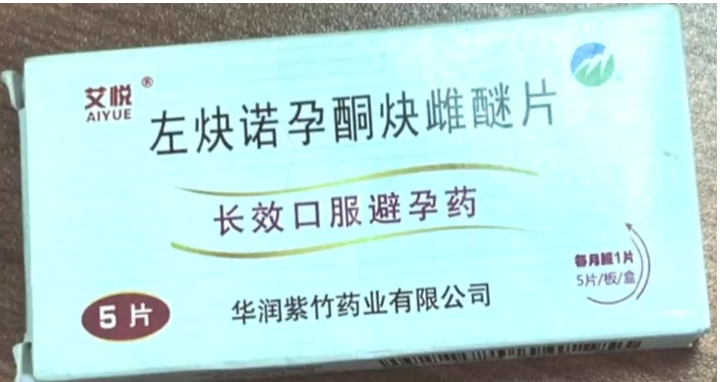
Sofia remains easily available despite its ban. The fact that women do not know it is banned is down to poor public health messaging, according to Dr Kibaru.
"Using the media alone is not enough. Intentional public messaging at grassroots level is important to ensure the masses understand well why a drug has been banned," she says.
Sold to trusted customers
Pharmacists do know it is banned - another warning was issued by the health ministry last month - yet they still sell the pill because of demand.
It is not on display, but sold under the counter to trusted customers who come in to buy it each month.
The BBC visited several pharmacies in the capital, Nairobi, to make inquiries about Sofia - most said the drug was not for sale.
One seller - who spoke on condition of anonymity - explained that it was available, just not on display, and pharmacies were able to buy it from suppliers who brought it in from neighbouring countries.
Earlier this month, a Pharmacy and Poisons Board (PPB) official told Kenya's Standard newspaper a shipment had been intercepted at the Ugandan border.
Ms Wamaitha says she actually bought her pills from a friend who gets them in bulk from one of these suppliers.
She says this friend and others knew the pill was banned when they recommended it to her.
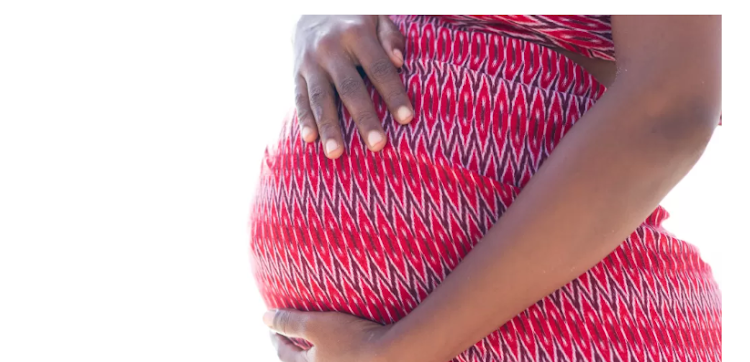
Her pregnancy has not persuaded them to stop using it - nor do any of the complaints on the various Facebook groups for Kenyan mothers.
On at least three of these forums there have been discussions about Sofia, where several women taking it said they had fallen pregnant.
This has convinced Ms Wamaitha to keep on urging her friends and other women to consider a different form of birth control.
"I just know that the mention of that Sofia pill makes me get chills on my body. I don't know what family planning method I will use to prevent a fourth pregnancy, but I'm done, done with that pill."



 Facebook
 Twitter / X
 WhatsApp
 LinkedIn
 Telegram
 Reddit