
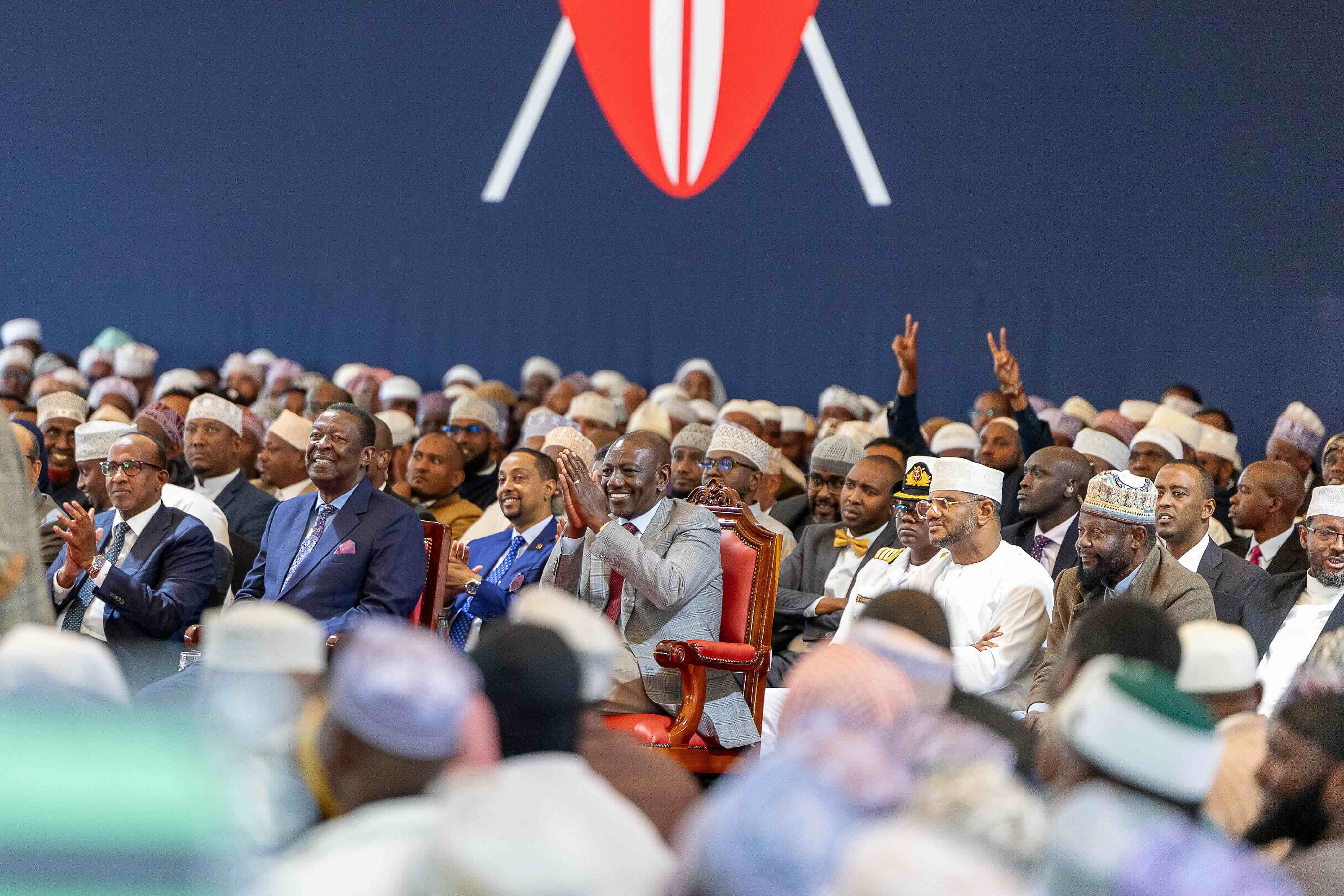
President William Ruto’s increasingly frequent meetings with large delegations at State House have triggered renewed questions over the cost of hosting thousands of Kenyans at the official presidential residence.
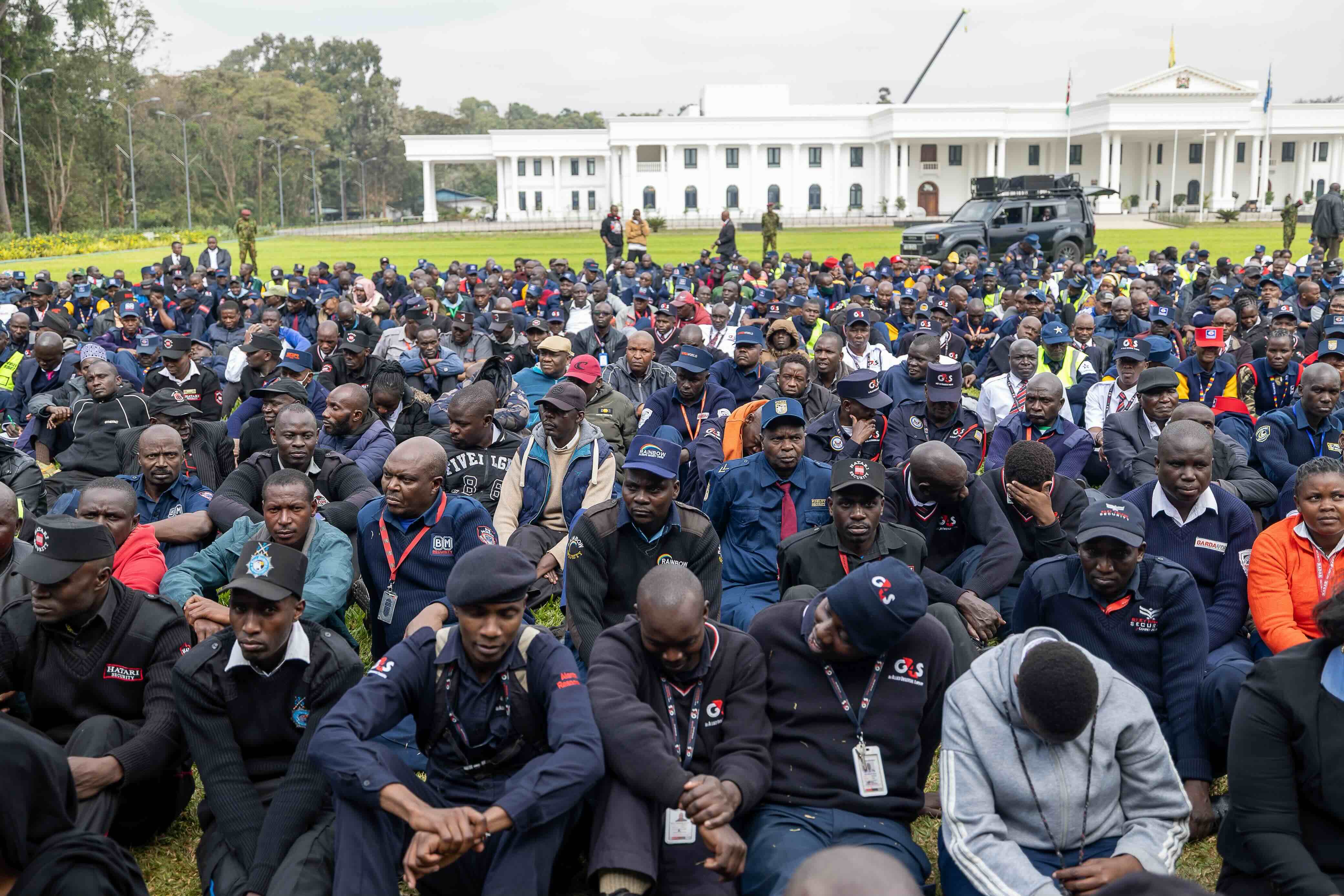
In recent weeks, State House has hosted groups ranging from village elders and religious leaders to professionals, community representatives and political leaders.
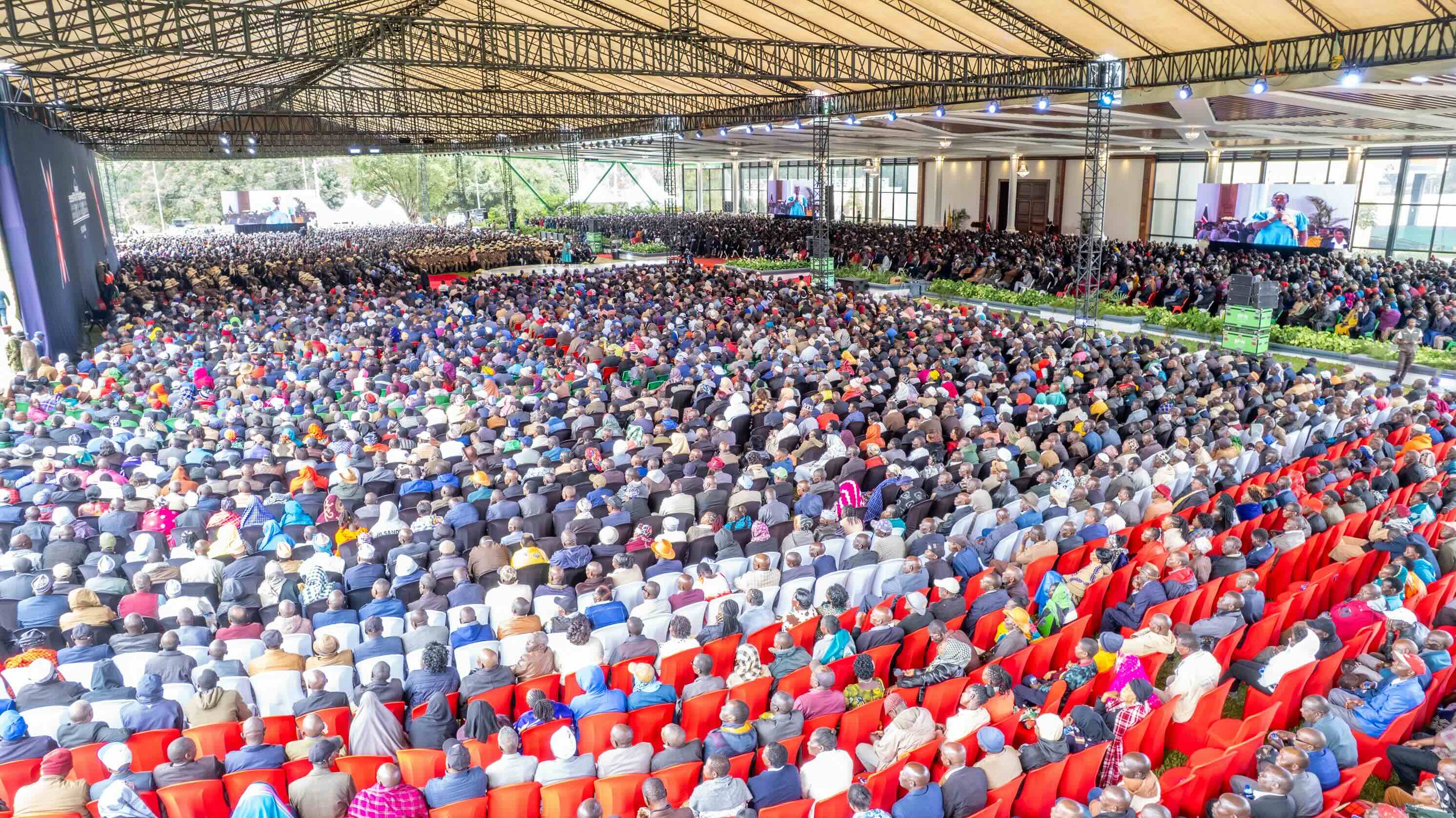
The gatherings have attracted thousands of people at a time, raising questions over who pays for transport, meals, security and other logistical arrangements—and how much taxpayers ultimately spend on the events.

Ruto has defended the meetings, arguing that opening State House to ordinary Kenyans does not diminish its status but instead gives citizens an opportunity to interact with the presidency.
“I did not lower the status of State House but uplifted the respect of the Kenyan people,” Ruto said recently, defending his decision to welcome ordinary citizens.
Thousands at a time
The scale of some of the recent gatherings has been striking.
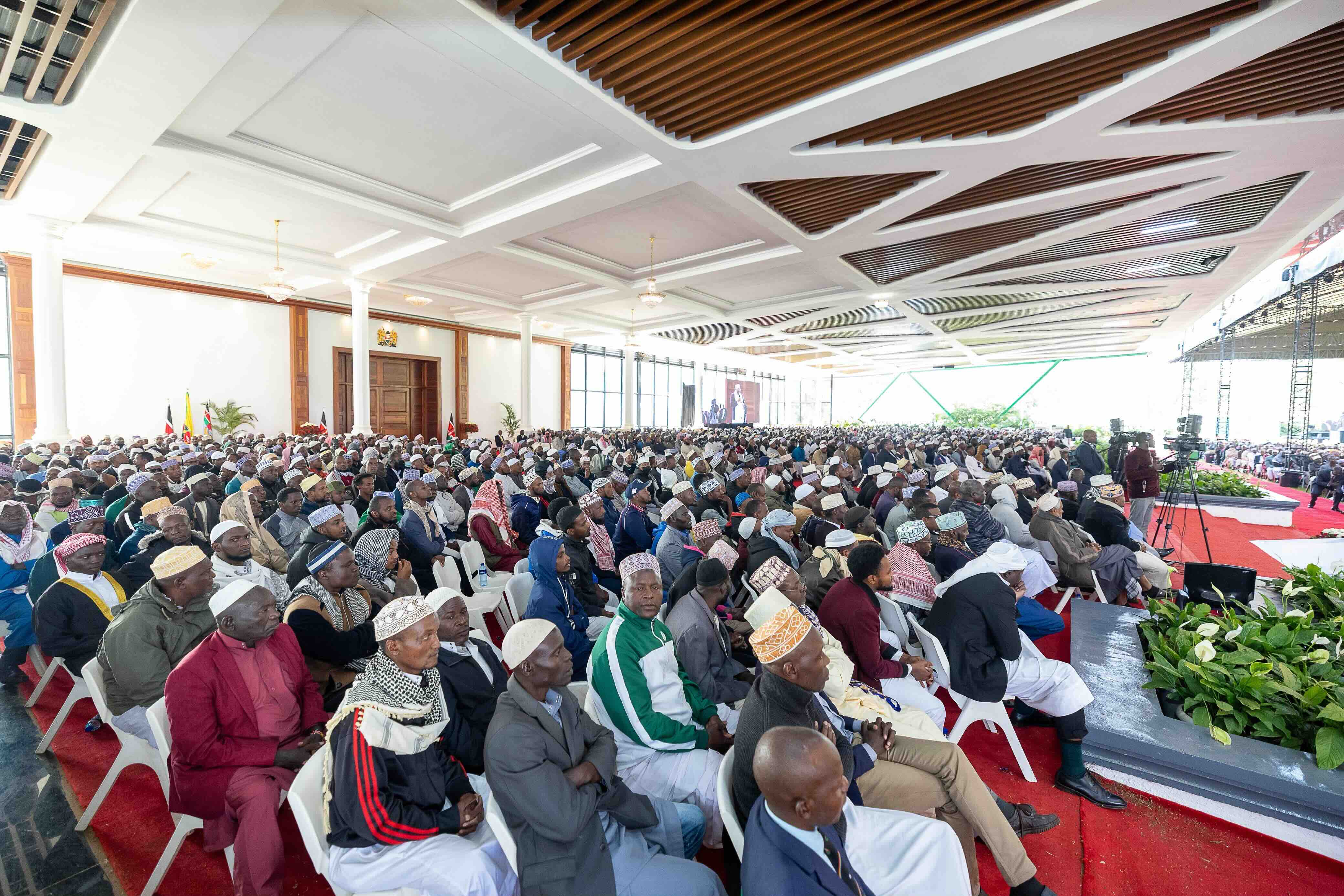
According to State House accounts cited in public reporting, the President has hosted more than 10,000 village elders, about 5,000 members of the Friends Church and approximately 9,000 Muslim leaders, among other groups.
The large numbers require extensive logistical arrangements, including transport from different parts of the country to Nairobi.
Meals, security, sanitation, medical support and crowd management are also among the costs associated with such gatherings.
However, the exact amount of public money spent on each State House meeting is not routinely disclosed, making it difficult for taxpayers to establish the full cost of the events.
The maths behind a large gathering
The financial burden becomes more apparent when the size of the delegations is considered.
For example, if a meal cost Sh2,000 per person, feeding 10,000 people would amount to Sh20 million.
That figure is only an illustration, however, and does not represent an official State House expenditure.
Additional costs could include transportation, venue logistics, sanitation, medical services, security and other event-related expenses.
The actual cost would depend on the number of attendees, suppliers, contracts and services provided.
The question therefore is not simply whether the President should meet ordinary citizens, but whether such large gatherings represent value for money and whether the expenditure is sufficiently transparent.
Promises running into millions
The meetings have also become platforms for announcing government commitments to various groups.
During a meeting with village elders, for example, Ruto announced that elders would receive a monthly stipend of Sh3,000.
He also said the government would work towards covering their Social Health Authority premiums from January 2027 and provide smartphones to support their work.
Such commitments have financial implications and raise another question: Are the promises already backed by approved budgets and implementation plans?
With the 2027 General Election approaching, critics have increasingly questioned whether some of the meetings and government commitments could also have political implications.
Matiang’i raises election concerns
Former Cabinet Secretary Fred Matiang’i has criticised the State House gatherings, accusing the government of using public resources to build political support ahead of the 2027 election.
Speaking in Kuria East, Matiang’i alleged that State House meetings were being used to influence voters and claimed the government was laying the groundwork to manipulate next year's election.
He urged the government to focus instead on addressing the economic difficulties facing Kenyans.
The allegations are political claims and have not been independently established.
Accountability question
The debate has also drawn attention from civil society.
International Commission of Jurists-Kenya Chairperson Christine Alai said leaders and citizens both have a responsibility to ensure accountability in the use of public resources.
She called for greater collaboration between civil society, communities, stakeholders and government institutions to strengthen accountability.
The Constitution provides mechanisms for oversight of public expenditure, including parliamentary scrutiny and access to public information.
The growing debate over State House meetings therefore comes down to a simple question: How much are taxpayers spending to host these gatherings, and can the government account for every shilling?
Ruto maintains that State House belongs to Kenyans and that ordinary citizens should have access to it.
But as thousands continue to make the journey to Nairobi for presidential meetings, pressure is likely to grow for the government to publish the actual costs of transport, meals, security and other logistics.
With the 2027 election drawing closer, transparency over those expenses will be increasingly important—not only to determine whether the gatherings are affordable, but also to assure Kenyans that public resources are being used for public purposes rather than political mobilisation.
Related Stories
- Edwin Sifuna: From courtroom lawyer to Nairobi senator and potential Ruto challenger
- Amnesty urges Ruto to act as Kenya records 19 enforced disappearances, 69 police killings in 2026
- Sifuna gets Babu Owino backing as Linda Mwananchi takes 2027 campaign to Meru
Category: Politics · Related Topic: William Ruto
Related Video: Gachagua’s explosive Ruto scorecard: Debt, taxes, State capture and a government ‘that has failed’
Related Explainer: Fact Check: Did elephants save people during Nepal’s floods?
 Facebook
 Twitter / X
 WhatsApp
 LinkedIn
 Telegram
 Reddit