
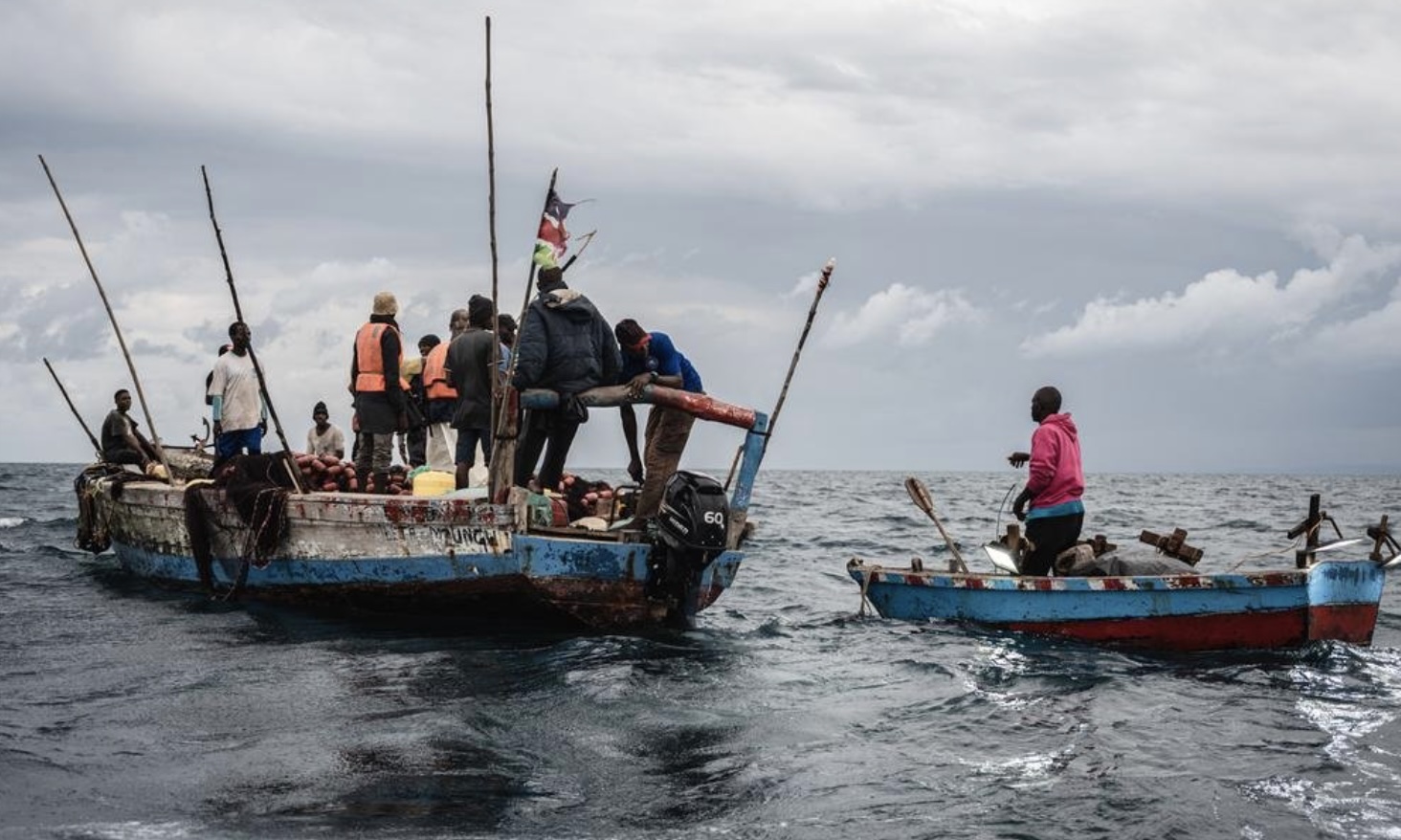
The waters off Kenya's coast have long appeared limitless. To the casual observer, the Indian Ocean is an open blue expanse where fishermen, cargo ships, tourists, conservationists and investors can coexist without conflict.
But beneath the surface, a silent battle for space is intensifying.
Artisanal fishers are competing with industrial developments. Conservation zones overlap with traditional fishing grounds. Shipping corridors intersect with local transport routes. Tourism operators seek pristine beaches while coastal communities fight to preserve access to the same shoreline.
As Kenya accelerates its Blue Economy agenda, these competing interests are converging in a finite marine space stretching from Kwale in the south to Lamu in the north.
Now, the government is attempting something few African countries have achieved: creating a comprehensive Marine Spatial Plan (MSP) to organize, regulate and safeguard the use of its ocean territory through to 2045.
The draft plan, currently undergoing stakeholder validation, seeks to answer a deceptively simple question:
Who gets to use the ocean, where, and under what conditions?
The answer could shape the future of Kenya's coast for generations.
A crowded ocean
For decades, Kenya's ocean resources have been managed largely through sector-specific regulations. Fisheries authorities focused on fish stocks. Tourism agencies concentrated on beaches and resorts. Environmental agencies protected marine parks. Port authorities expanded shipping infrastructure.
