
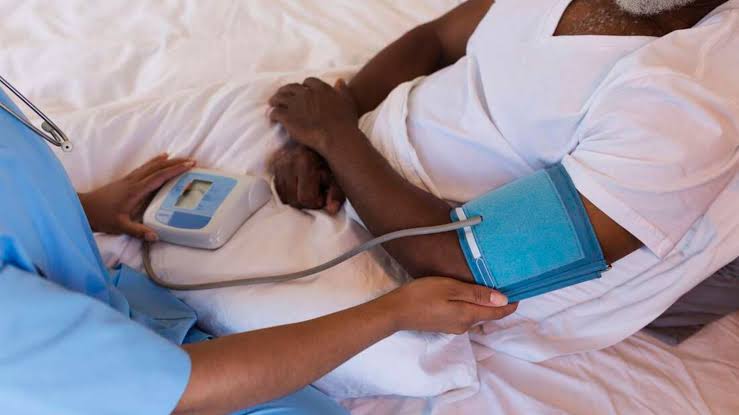
NAIROBI — Knowing your blood pressure is important is one thing. Actually checking it is another.
That gap is emerging as a serious challenge in Kenya, where a new survey shows strong public awareness of common health indicators but far fewer people routinely check them.
The Know Your Numbers (KYN) Survey, commissioned by Doctors for Healthy Living (D4HL) and conducted by Ipsos Kenya, found that 90 per cent of the 1,100 adults surveyed recognised blood pressure as an important measure of health.
Blood sugar followed at 78 per cent, while 66 per cent identified Body Mass Index (BMI) and 63 per cent cholesterol.

But the picture changes sharply when people are asked whether they have actually been tested.
Only 47 per cent said they had ever had their blood sugar checked. Just 15 per cent had checked their cholesterol, while only 9 per cent had measured their waist circumference.
For tests carried out within the previous 12 months, the figures were even lower — 38 per cent for blood sugar, 10 per cent for cholesterol and 6 per cent for waist circumference.
The findings point to a familiar problem in preventive healthcare: many people seek medical attention when something feels wrong, rather than before symptoms appear.
‘I feel healthy’ is keeping people away
Perhaps the most revealing finding is why people are not getting checked.
Among respondents who had not undergone recent health checks, 72 per cent said they had not done so because they felt healthy.
Lack of time was cited by 18 per cent, inconvenient timing by 12 per cent and cost by 10 per cent.
The finding challenges the assumption that cost is always the main obstacle to preventive healthcare.
For many people, the bigger barrier may be psychological — the belief that a medical check is unnecessary when there is no pain or obvious illness.
“One of the biggest challenges in preventive healthcare is that many people equate feeling healthy with being healthy,” said Dr Robert Mathenge, co-founder of Doctors for Healthy Living.
He said conditions such as hypertension, Type 2 diabetes and high cholesterol can develop without obvious symptoms, making routine checks important for detecting problems early.
That concern is backed by wider health data.
The World Health Organisation's 2025 hypertension profile for Kenya estimates that about 5.5 million adults aged 30 to 79 are living with hypertension. Of these, roughly 5.1 million do not have their blood pressure under control. Only about 7 per cent are estimated to have controlled hypertension.
This means the challenge is not simply getting people into treatment after diagnosis. It starts with identifying the problem in the first place.
The numbers most people rarely check
Blood pressure emerged as the most familiar health indicator in the survey.
That is perhaps unsurprising because blood pressure checks are relatively common during hospital visits, workplace medicals and pharmacy consultations.
Indeed, 79 per cent of respondents said they had checked their blood pressure at least once.
BMI was also relatively familiar, with 59 per cent reporting that they had measured it.
But the numbers fall dramatically for less routinely discussed indicators.
Cholesterol had been checked by only 15 per cent of respondents, while waist circumference — a measure associated with metabolic and cardiovascular risk — had been checked by just 9 per cent.
Awareness of waist circumference was itself low. Only 25 per cent identified it as an important health indicator.
The survey therefore exposes two gaps at once: people are not always aware of what they should monitor, and even when they know, they do not necessarily act.
Men lag behind women
The survey also found a gender divide.
Women reported higher levels of awareness and screening across most of the health indicators examined.
That raises questions about how health campaigns can better reach men, particularly those who may only seek medical care once symptoms become difficult to ignore.
The issue is important because Kenya is dealing with a growing burden of non-communicable diseases, including cardiovascular disease, diabetes, cancer and hypertension.
Kenya's 2022 Demographic and Health Survey also tracks chronic conditions and shows that hypertension and diabetes are already part of the country's health burden.
The latest KYN survey, however, comes with an important limitation.
Its sample consisted of connected and economically active adults in urban and peri-urban areas. It does not therefore provide a nationally representative picture of all Kenyans.
If anything, the findings raise a further question: what does preventive healthcare look like among people with less access to health information and medical services?
Can screening move beyond hospitals?
The survey suggests that making health checks easier to access could help close the gap.
Private hospitals and clinics were the preferred locations for routine screening among 80 per cent of respondents, followed by public health facilities at 71 per cent.
Only 17 per cent identified pharmacies as their preferred location.
Health advocates say pharmacies and workplaces could become more important points for basic screening and referrals, particularly for people who rarely visit hospitals when they feel well.
Anthony Mugo, head of partnerships at Doctors for Healthy Living, said routine health checks should become part of everyday life rather than something people do only when they are sick.
“Knowing your numbers should become as routine as servicing your car or renewing your insurance,” he said.
That may require a shift in how preventive healthcare is presented.
Instead of waiting for people to develop symptoms, health systems and employers could make simple checks more convenient — from blood pressure and blood sugar measurements to weight, BMI and appropriate cholesterol screening.
The bigger lesson
The survey's most important message may not be about a lack of health information.
It is about what happens after people receive that information.
Kenyans appear to know that blood pressure matters. Many also know about blood sugar, weight and cholesterol.
But awareness has not consistently translated into action.
And that matters because some of the conditions these checks are designed to detect can progress quietly.
Kenya's own national NCD data has previously highlighted the scale of the problem. The 2015 KNBS STEPs survey found that 23.8 per cent of adults aged 18 to 69 had raised blood pressure or were taking medication for raised blood pressure.
The challenge now is to make prevention less of an occasional decision and more of a habit.
Because by the time the body starts sending obvious warning signs, the opportunity to act early may already have been lost.
You may also like
Category: Health
About the Author
Maureen Onyango is a journalist passionate about storytelling, life coaching and spiritual lessons. She studied at the Kenya Institute of Management and enjoys telling stories that inform, inspire and empower communities.
 Facebook
 Twitter / X
 WhatsApp
 LinkedIn
 Telegram
 Reddit