
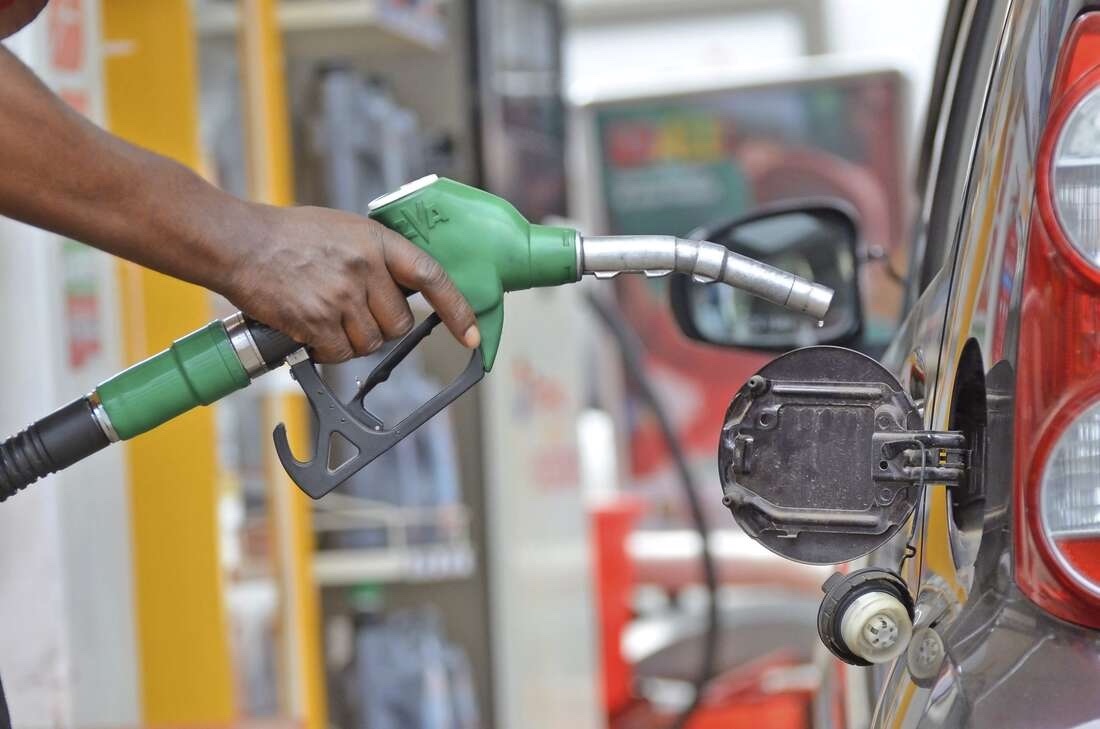
The fighting between the US and Iran is thousands of kilometres from Kenya, but its economic impact could eventually arrive at a petrol station, supermarket or matatu stage near you.
Oil prices have climbed sharply after renewed US-Iran hostilities and further disruption to shipping through the Strait of Hormuz, one of the world's most important energy routes.
Brent crude was trading around $95 a barrel on Friday, while shipping through the strait remained well below recent averages. Reuters reported that only four commodity vessels crossed on Thursday, compared with a 10-day average of 15.
For Kenya, which depends heavily on imported petroleum, prolonged disruption presents a direct economic risk.

Why Hormuz matters to Kenya
Before the conflict, roughly a fifth of global oil shipments passed through the Strait of Hormuz.
The narrow waterway connects major Gulf oil producers to international markets. Disruption therefore does not have to stop Kenya-bound vessels specifically to affect Kenyans.
When global supplies tighten, crude and refined petroleum prices can rise internationally. Shipping risks can also increase freight and insurance costs.
Kenya imports refined petroleum products, meaning movements in international fuel prices eventually feed into the landed cost used to determine domestic pump prices.
EPRA's official pricing formula includes the cost of imported petroleum, freight and premium, insurance and war-risk charges, financing, transport, taxes and margins.
That creates a transmission chain:
Hormuz disruption → higher global fuel and shipping costs → higher Kenyan landed costs → pressure on EPRA pump prices.
Why the effect may not appear immediately
A surge in international oil prices does not automatically mean Kenyan petrol prices increase the following morning.
EPRA sets maximum pump prices monthly, using the cost of petroleum cargoes imported during a specified pricing period.
Current regulations calculate landed costs using cargoes discharged at Mombasa between the 10th day of the previous month and the ninth day of the pricing month. New maximum prices are then published on the 15th.
This creates a lag between a global oil shock and what motorists eventually see at Kenyan pumps.
The key question is therefore how long elevated international prices persist.
The petrol station is only the beginning
Higher fuel prices would not affect motorists alone.
Diesel powers much of Kenya's freight and public transport system. Farmers use fuel to operate machinery and move produce, while manufacturers and businesses face higher logistics costs.
Those expenses can eventually filter into the prices of food and other consumer goods.
The effect is already visible elsewhere. US diesel prices have reached record levels as disruptions to global refining and oil supplies intensify.
Kenya enters this period with another vulnerability: drought has already raised concerns about domestic food production and the need for additional imports.
A simultaneous increase in food-import and transport costs would therefore add another layer of pressure on households.
What Kenyans should watch next
The most important number is no longer simply the daily price of Brent crude.
Watch shipping through Hormuz, refined petrol and diesel prices, freight and war-risk insurance costs, the shilling-dollar exchange rate and EPRA's monthly landed-cost figures.
If the conflict eases and shipping normalises, some of the pressure could unwind.
But if disruption continues, a war taking place far from East Africa could increasingly become a Kenyan cost-of-living story.
You may also like
Category: Business
Related Video: Dolly Parton’s Family Announces Her Passing in Emotional Tribute
Related Explainer: Kenya’s inflation holds near 30-month high as transport and food costs squeeze households
 Facebook
 Twitter / X
 WhatsApp
 LinkedIn
 Telegram
 Reddit